

Nibbles, Bits & Bites Newsletter
- September 2026

Welcome to the September 2026 Newsletter

Fall is for Food Safety Education
Dear IFSAN Community,
September is here, and with it comes National Food Safety Education Month—a time to reflect on how the food we eat connects us all. As we observe Food Safety Education Month, we invite you to connect with IFSAN’s mission, share your insights, and help us amplify the message: Safer Food. Better Nutrition. One Health.
This month also marks the beginning of autumn, and our ladles and bowls are ready for it! We have a delicious recipe for butternut squash soup below. We look forward to closing out the calendar year gathered around tables, advancing the safety of food on forks and on farms in kitchens around the world.
Stay healthy,
Barb
IFSAN Director

Food Safety Education Month: 48 Million Reasons to Wash Your Cutting Board
September gets a lot of press for pumpkin spice and the first crisp mornings of fall. But tucked behind the seasonal noise is a quieter, less Instagrammable observance that quite literally keeps people alive: Food Safety Education Month.
Where It All Started
The dedication of a month to food safety education began in 1994. The National Restaurant Association Educational Foundation (NRAEF) created the first campaign, originally aimed at food service professionals, with a sharp focus on foodborne illness prevention. Free educational materials went out to kitchens across the country, built around the idea that safe food doesn't happen by accident — it happens because someone was trained to make it happen.
Fast forward to 2026, and the mission NRAEF put forth over three decades ago hasn't just survived — it's multiplied. What started as an industry training push is now a broadly recognized public health observance, championed by the FDA, the Partnership for Food Safety Education (PFSE), the National Environmental Health Association (NEHA), the USDA, and the CDC, alongside local health departments, universities, and consumer advocacy groups from coast to coast.

Autumn Comfort in a Bowl
This thick, hardy fall is sure to be a crowd pleaser. You might want to make extra to keep for yourself. As you prepare your tureen, keep these food safety tips in mind:
- Clean the countertop before preparing foods.
- Wash hands for at least 20 seconds before handling foods.
- Washing butternut squash and fresh herbs under cool running water before chopping and mincing.
- Cool soup before storing in the refrigerator-Pour leftover soup in a shallow container and allow it to cool before covering and putting it in the refrigerator.
Prep Steps
- Heat oil in a large pot with chopped onion, salt, and several grinds of fresh pepper and sauté until soft, 5 to 8 minutes.
- Add the squash and cook until it softens (8 to 10 minutes), and then add the garlic, sage, rosemary, and ginger. Continue to stir and cook until fragrant (about a minute), then add 3 cups of the broth.
- Bring to a boil and then reduce to a simmer until squash is fully tender (20-30 minutes).
- Cool slightly. Pour the soup into a blender. Blend until smooth.
- If your soup is thicker than you want, add up to 1 cup more broth.
Ingredients
- 3 pounds (equivalent to 1 medium-to-large) butternut squash (peeled, seeded, cubed)
- 1 large yellow onion (chopped)
- 1 tablespoon fresh sage (chopped)
- ½ tablespoon fresh rosemary (minced)
- 2 tablespoons extra-virgin olive oil
- 3-4 cups vegetable broth
- 3 garlic cloves (chopped)
- 1 teaspoon ginger (grated)
- ½ teaspoon sea salt
- Freshly ground black pepper
Nibbles You Need to Know
Media Mentions
See news articles quoting Barb Kowalcyk in the past month.
Outbreaks & Recalls
We want you to stay informed about the latest recalls, market withdrawals, and outbreaks. Click on the FDA and USDA links for the most up-to-date information.
FDA: Recalls, Market Withdrawals, & Safety Alerts | FDA
USDA: Recalls & Public Health Alerts | Food Safety and Inspection Service
OUTBREAKS
RECALLS
- Prime Line Distributors, Inc. and Ferrarini USA, Inc. Recall Imported Ready-To-Eat Pork Guanciale Products Due to Possible Listeria Contamination | Food Safety and Inspection Service
- El Eden Import Distributor Corp Recalls Ineligible Pork Cracklings Products Imported from The Republic of Colombia | Food Safety and Inspection Service
- Indus Foods, LLC DBA Gangothri Foods Recalls Ready-To-Eat Pickled Goat and Chicken Products Produced Without Benefit of Inspection
- Berlin Seeds Recalls Alfalfa Sprouting Seed Because of Possible Health Risk | FDA
- Wakefern Food Corp. Voluntarily Recalls Wholesome Pantry Organic Unsweetened Apple Sauce | FDA
- George Washington University | Executive Director of Campus Dining
- National Council on Aging | Lead, Supplemental Nutrition Assistance Program
- Pete & Gerry’s Organics | IT Governance, Risk, & Compliance Analyst
- Food Management Institute | Chemical & Food Safety Programs Director
Funding Opportunities
GRANTS
Apply by Mid-November for an Award or Research Grant
The Academy of Nutrition and Dietetics Foundation is accepting applications for its 2027 Awards and Research Grants. Over 30 applications are available, with opportunities for Academy members, credentialed practitioners, and students to apply for Foundation funding. All applications are accessible within the Foundation’s application portal and have a deadline of November 18, 2026, at 5:00 pm (Central Time).
Job & Internship Opportunities
JOBS
- School Nutrition Association | Director of Engagement and State Relations Position Profile
- University of Maryland | Agent Associate, Agriculture and Food Systems
- Open Cupboard | Food Systems Director
- Nestle-Purina | Nutritionist
- Johnsonville | Assistant Food Safety Quality Manager
INTERNSHIPS
- Butterball | Food Safety & Quality Assurance Intern
- Johnsonville | R&D Product Development
- Foremost Farms USA | Food Safety & Quality Assurance
Newsletter Ideas & Feedback
If you have ideas you would like to see in the newsletter, please submit them to [email protected]
Is there a way to make our monthly newsletter better? We would your opinions. Please take a moment to complete this survey.
- August 2026

Welcome to the August 2026 Newsletter

Join IFSAN This Academic Year
Hello and welcome, friends and students!
Summer has been very busy with the recent foodborne disease outbreaks, such as Clostridium botulinum in infant formula, a cyclospora outbreak affecting thousands of people, and New World Screwworm making its way back into the United States.
Of course, there also are food safety issues to celebrate. Take a look at our three-part series highlighting the World Health Organization’s global estimates of foodborne illness (Part three is below). And our GW students are making positive steps in food safety research. This month, we highlight the work of one of our SEEDS students.
As the new academic year is getting underway, this is a great time to get involved with the work we are doing at IFSAN. If you have considered how food safety affects you, the nation, and the world, let’s talk! The IFSAN Core Faculty and Affiliate Faculty bring a wealth of knowledge, experience, and diverse interests to assist students and professionals.
Stay healthy,
Barb
IFSAN Director

Help Benchmark Digital Food Safety Landscape
Are you tasked with improving food safety outcomes through digital technologies? If so, consider taking the Food Safety Digital Maturity Benchmark Survey being conducted by Food Safety Tech Research LLC. Your responses help inform the digital food safety landscape.

Thaw Food Traceability Funding
Call to Thaw Food Traceability Funding
IFSAN joined the Safe Food Coalition in calling for Congress to release funds for food traceability. To view the sign-on letter, click on Appeal to Congress for Food Traceability Funding found on our Advocacy page.
Rethinking Food Expiration Labels and Waste
Confusion over food expiration dates fuels enormous amounts of waste in American households. Labels like “sell by” and “best before” are often misunderstood as safety cut-offs, when in reality they typically indicate quality, not edibility. The result? Billions of pounds of food tossed prematurely each year.
California has taken the lead on reform. In 2024, it became the first state to pass a ban on vague labels like “sell by” and require two clear phrases across packaged foods: “Best if Used By” for quality and “Use By” for safety. The law took effect on July 1, 2026 and is projected to save tens of thousands of tons of food waste annually. Other states are watching closely and have similar legislation under consideration.

At the federal level, the focus has moved from small awareness campaigns to bigger, systemic solutions. Instead of only reminding people not to waste food, agencies are putting serious money into the infrastructure that makes waste reduction possible. Through the Infrastructure Investment and Jobs Act, passed in 2021, the EPA has directed more than $350 million into recycling education, new composting facilities, and organics recovery programs. The USDA, meanwhile, is funding research into how people actually make food decisions, including a new $1.5 million behavioral economics center at Purdue University. Together, these efforts reflect a shift: tackling food waste requires not just consumer education, but also stronger systems and smarter insights into human behavior.
Behavioral science shows that even perceptions of healthiness matter. One study found consumers are more likely to discard healthy foods nearing expiration, believing they spoil faster, than less healthy ones. Clearer “consume by” labels could help overcome this bias.
—Submitted by Kyndra Shea
A Bit About the IFSAN Team

Foodborne Disease Estimates Are a Student-Researcher Treasure Trove
Welcome back to our final installment covering the June 4 release of the World Health Organization's (WHO) Foodborne Disease Epidemiology Reference Group (FERG) estimates. In our past newsletters, we covered why the global estimates matter, and what new estimates were included. This final story addresses who might be interested in these estimates.
In our interview with Dr. Sandra Hoffman, she shared that students can learn a great deal from studying the Global Burden of Foodborne Disease papers. Systematic reviews were heavily relied on in developing the estimates, demonstrating the importance of research synthesis in building the foundation for understanding the broader impacts of disease.

STUDENT RESEARCH | ROYA SAKHIZADA
SEEDS Researcher Studies Food Is Medicine

Roya Sakhizada learned the importance of listening to patient experiences and understanding the social factors that influence health. As an undergraduate student researcher at the George Washington University, Milken Institute School of Public Health, she became involved with the SEEDS Research Program through her interest in preventive medicine, nutrition, and improving health outcomes for underserved communities.
“Working with the research team has given me valuable experience in participant recruitment, qualitative research, and community-based public health initiatives,” Sakhizada said.
Her project, titled "Understanding Perceptions of Food is Medicine Among Low-Income Cancer Survivors to Address Food and Nutrition Security" showcases qualitative research methods, participant recruitment, and data collection while developing a deeper appreciation for how nutrition education and food access can improve the quality of life and long-term outcomes of cancer survivors.
After earning her bachelor of science in exercise science, with minors in human anatomy and astronomy & astrophysics, Sakhizada said she plans to attend graduate school and continue pursuing opportunities in research and healthcare.
“I hope to contribute to projects that improve preventive medicine and patient care while working toward making quality healthcare more accessible to underserved populations,” she said.
If you are an undergraduate interested in food and nutrition research, check out the SEEDS program. The next application deadline is September 30!

Make an On-the-Go Protein Treat
Dorm life can be a difficult adjustment, but you can keep some in the habit of preparing your own food. This on-the-go treat from the Partnership for a Healthier America pairs protein and fruit that can hold up to dorm life demands. No cooking required and very little to clean. Plus, there are opportunities to make nutritional swaps.
Food safety tip: Wash your hand before handing ready-to-eat foods.
Ingredients
- 1 banana
- 1 whole grain tortilla
- 2 tbsp of nut butter
Prep Steps
1. Add your choice of nut (peanut, hazelnut, almond) butter on a tortilla. (Tip: Disposable utensils don’t require cleaning nor bacterial concerns.)
2. Peel the banana and roll the tortilla around it. Note: Apples also pair well with nut butters. Consider changing up the fruit in the wrap, or cut the carbs from a tortilla and dip apples in a cup of nut butter.
3. Enjoy as-is or cut it into pinwheels.
Nibbles You Need to Know
Media Mentions
Barb Kowalcyk continues speaking about the ongoing cyclospora outbreak and produce safety. Check out this recent New York Times article.
Outbreaks & Recalls
We want you to stay informed about the latest recalls, market withdrawals, and outbreaks. Click on the FDA and USDA links for the most up-to-date information.
FDA: Recalls, Market Withdrawals, & Safety Alerts | FDA
USDA: Recalls & Public Health Alerts | Food Safety and Inspection Service
OUTBREAKS
RECALLS
Job & Internship Opportunities
JOBS
- George Washington University | Executive Director of Campus Dining
- National Council on Aging | Lead, Supplemental Nutrition Assistance Program
- Pete & Gerry’s Organics | IT Governance, Risk, & Compliance Analyst
- Food Management Institute | Chemical & Food Safety Programs Director
Newsletter Ideas & Feedback
If you have ideas you would like to see in the newsletter, please submit them to [email protected]
Is there a way to make our monthly newsletter better? We would your opinions. Please take a moment to complete this survey.
- July 2026

Welcome to the July 2026 Newsletter

Learning About Food Safety and Summer Heat
Hello friends,
The DC area was scorching early this month. Extreme heat has many public health implications. It also is an opportunity to pull fresh fruits and vegetables out of the refrigerator. As you will see in our pineapple bowl recipe below, we are set to quench the heat in tropical style.
In the past two weeks, we have spoken to dozens media outlets small and large, and a few colleagues joined a virtual press conference, which you can playback online. Communities across the nation are worried about eating lettuce and other produce. People are focusing on their food: how it is sourced and what safety systems exist. All of this has come on the heels of a successful congressional staff briefing about the need for larger investments in food surveillance systems. (See article below and our informational paper about it.)
In the months ahead, we hope curiosity around food safety systems will remain, but the parasitic driver will not.
Until next month,
The IFSAN Team

More Than 230 Join Cyclospora Briefing
On July 16, a total of 233 people joined the virtual press briefing, “Cyclospora: From Oocyst to Outbreak,” convened by Barb Kowalcyk and experts from Rutgers University, the University of Minnesota, and Center for Science in the Public Interest.
For those who were not able to attend, the recording is posted on the IFSAN homepage for a limited time and on the Policy page permanently.

Hill Staffers' Lesson in Food Safety Investments
Two panels of food safety experts spoke to a standing-room-only crowd of congressional staffers on June 24, 2026, at Cannon House Office Building in Washington, D.C. The topic at hand was the importance of investing in the U.S. food surveillance network. IFSAN hosted the event in conjunction with the U.S. House of Representatives’ Food Safety Caucus, Hon. Rosa DeLauro, chair. The six speakers represented federal agencies and universities looking to inform congressional staff members about food safety surveillance and how it protects public health.

Call to Action
Thank you to the nearly 130 people who signed on to our letter to USDA Secretary Brooke Rollins, requesting a pause on plans to shutter and relocate the Environmental and Microbial Food Safety Lab at the Beltsville Agricultural Research Center.

Tropical Fruit: Markets That Matter
National Tropical Fruit Day was July 18, and IFSAN wants to highlight tropical fruits—mangoes, papayas, dragon fruit, and bananas—not only for their bold flavor, but for their growing role in food access and nutrition equity.
These fruits are increasingly featured in nutrition education, meal programs, and local outreach efforts. Their nutrient density and cultural relevance make them important staples in efforts to promote equity and reduce diet-related disparities.
Retailers are ramping up promotions for Tropical Fruit Day, with increased visibility of mangoes, dragon fruit, and papayas. But it’s local farmers markets—like those featured in NRPA’s July poster—that remain essential for connecting communities to fresh, affordable produce.
Recent analyses show that farmers markets are playing a growing role in delivering seasonal fruits to areas with limited grocery infrastructure, offering affordability, cultural relevance, and direct support for small growers.
Tropical fruits aren’t just summertime staples—they’re cornerstones of health access, community resilience, and systems change.
— By Kyndra Shea
A Bit About the IFSAN Team

IFSAN Core Faculty Says Chemicals in Food is Noteworthy Addition to New WHO Food Report
Welcome back. In this second installment, we continue our conversation with Dr. Sandra Hoffmann about the June 4 release of the World Health Organization’s and Foodborne Disease Burden Epidemiology Reference Group’s (FERG’s) 2025 Global Burden of Foodborne Disease Estimates.
Asked what stood out in this second release, Hoffmann pointed to the addition of heavy metals. While biological hazards cause almost 99% of foodborne illness cases, she explained, chemicals account for 73% of deaths — and many of those deaths trace to heavy metals and metalloids. Capturing those hazards was critical.


Staff Suggested Summer Reads
It’s the final weeks before the fall semester starts. As the dog days of August creep in, grab one last book to read poolside or as you jet off for one more adventure. Here is a short list of suggestions from the IFSAN team:
- The Five-Star Weekend by Elin Hilderbrand
- The Girl on the Train by Paula Hawkins
- Flowers for Algernon by Daniel Keyes
- Outlander by Diana Gabaldon
- The Frontiersman by Allan W. Eckert
Bite of the Month
Sweet and Savory Tropical Bliss

In keeping the focus on tropical fruits, this recipe from Kirbie’s Cravings might just become your sweet and savory go-to meal.
Food safety tip: Because this recipe calls for pre-made protein, be sure to follow the instructions for proper reheating. If you choose to create your own chicken creation, remember to cook your chicken to the proper internal temperature (165℉).
How to Make It
1. Halve pineapples lengthwise. Remove core. Hollow into a bowl shape, setting aside flesh chunks.
2. Collect and set aside 6 tbsp juice and 2 cups of flesh (cut into small chunks). Enjoy any remaining pineapple.
3. Prepare chicken teriyaki and rice as directed on labels, and then mix in 2 tablespoons of pineapple juice and bell peppers into chicken teriyaki mixture.
4. Finish cooking teriyaki, stirring in reserved pineapple chunks last just to warm them. Add remaining pineapple juice to cooked rice, stirring until all juice is absorbed.
5. Add 1 cup of cooked rice to each pineapple shell bowl. Divide teriyaki chicken evenly between the two bowls. Garnish with sesame seeds and scallions.
Ingredients
- 2 ripe pineapples
- 4 cups cooked rice
- 1 (20 oz) pre-cooked Chicken Teriyaki (Kirbie’s Cravings suggests Crazy Cuizine Teriyaki Chicken)
- 1 tbsp canola oil
- 2 green bell peppers, cut into bite-sized cubes
- 6 tbsp pineapple juice, divided
- 2 cups pineapple cubes
- 4 tsp sesame seeds
- 2 scallions, thinly sliced
Nibbles You Need to Know
Media Mentions
Barb Kowalcyk and Janet Buffer have been quoted in more than three dozen articles related to the cyclospora outbreak.
Outbreaks & Recalls
We want you to stay informed about the latest recalls, market withdrawals, and outbreaks. Click on the FDA and USDA links for the most up-to-date information.
FDA: Recalls, Market Withdrawals, & Safety Alerts | FDA
USDA: Recalls & Public Health Alerts | Food Safety and Inspection Service
OUTBREAKS
Job & Internship Opportunities
JOBS
- Comfort Food Community (New York) | Food & Farm Hub Coordinator
- Comfort Food Community (New York) | Pantry Coordinator
- Spoonfuls (Massachusetts) | Coordinator, Food Recovery Program
- Food & Water Watch (Washington, D.C.) | Office Administrator
- World Food Prize Foundation | Manager II, Global Programs
FELLOWSHIP
- USDA-Agricultural Research Service | Research Fellowship in Nutrition and Food Processing
- California Climate Action Corps | Food Rescue Fellow (Several)
- USDA Foreign Agricultural Service | Agribusiness Trade Mission to Vietnam (apply by July 31)
FUNDING OPPORTUNITIES
- HHS Health Resources and Services Administration | Expanding Nutrition Services NOFO
Newsletter Ideas & Feedback
If you have ideas you would like to see in the newsletter, please submit them to [email protected]
Is there a way to make our monthly newsletter better? We would your opinions. Please take a moment to complete this survey.
- June 2026
Welcome to the June 2026 Newsletter

Mid-Year Brings New Food Safety Focus
Hello,
Summer is here and we are celebrating with a refreshing watermelon recipe (see below) — just remember, to keep the salad safe, you need to keep it below 41°F! June also marks the seventh World Food Safety Day (WFSD) since its inception in 2019. This year’s WFSD came with the release of new global burden of foodborne disease estimates. Our own Sandy Hoffmann, IFSAN affiliate, played a key role in updating these estimates. Scroll down to learn more about her efforts.
Food safety continues to be top of mind at home and abroad. In the past few months, there has been a multi-state Salmonella outbreak related to backyard chickens, another infant formula brand has faced a recall due to botulism, and a listeria outbreak has been linked to soft cheese. See more in our Outbreaks & Recalls below.
We also have a bittersweet announcement this month. IFSAN Associate Director of Food and Nutrition Policy Dr. Gabby Headrick is departing GW for Brown University. Join me in wishing her all best on her career journey.
Wishing you a fun summer,
Barb
Director of IFSAN

Celebrating 30 Years of Food Safety
Since 1996, CDC’s PulseNet USA has grown into a nationwide network that supports real-time foodborne disease surveillance, identifies local and multistate outbreaks, and drives improvements in food safety practice and policy. Through CDC investments in food safety, every state has at least one PulseNet laboratory, and the network has supported recalls of more than 1 billion pounds of contaminated food.
IFSAN joins CDC in celebrating 30 years of PulseNet USA and the public health professionals whose work protects America’s food supply every day.
LEARN MORE New Global Burden of Foodborne Disease Estimates Released from WHO
On June 4, 2026, World Health Organization (WHO)released new Global Burden of Foodborne Disease Estimates. An estimated 866 million people are sickened globally each year by 42 pathogenic and chemical hazards, resulting in 1.5 million deaths and $300 billion in medical costs and lost productivity. Per Dr. Sandy Hoffmann (see our spotlight), one LMIC government official commented that they had always thought of foodborne illness as a few days of mild diarrhea, but then they saw the death numbers and realized it matters.

In 2015, the WHO released the first global burden of foodborne disease estimates, which changed the way the world thought about foodborne illness. The work showed that the burden of 31 hazards was comparable to that of TB, HIV/AIDS, malaria, or air pollution. Burden estimates for the 2015 hazards showed a decline in the new estimates, which is positive. However, children and LMIC continue to be disproportionately impacted by foodborne disease.
WHO hopes to make the global burden of foodborne disease estimates a regular part of their statistical output. It also encourages individual countries to look to building capacity to develop their own estimates now or in the future.
This piece is part 1 of a 3 part series on the Burden of Disease estimates

MORE ADVOCACY Call to Action
IFSAN is circulating a sign-on letter to send to Agriculture Secretary Rollins, requesting that USDA reconsider the closing and relocation of the Beltsville Agricultural Research Center.
Organizations that wish to support the letter may sign on until July 10.
A Bit About the IFSAN Team
SPOTLIGHT | DR. SANDY HOFFMANN
A Career at the Forefront of Food Safety Science
Readers of Nibbles, Bits, and Bites may recognize Dr. Sandy Hoffmann as a familiar voice in food safety, but her contributions to the World Health Organization's (WHO's) landmark global burden of foodborne disease research deserve a closer look.
For the past five years, she has served on the WHO Foodborne Epidemiology Reference Group (FERG) — WHO's expert advisory committee guiding development of the new figures. Her roles have been wide-ranging.
She contributed to the source attribution study led by Sara Pires (National Food Institute, Technical University of Denmark, Lyngby, Denmark) and Tina Nane (Delft University of Technology, Netherlands). She served on the country studies subcommittee, co-authoring a paper to help nations apply the new estimates to their own food safety decision-making. She co-chaired FERG's Impact Measurement subcommittee and co-authored the main results paper.

When WHO launched the effort for this year's Global Burden of Foodborne Disease Estimates, Dr. Hoffmann was at the table to lend institutional knowledge and continuity. In 2015, she co-led the source attribution research, and her team's work was essential to distinguishing the disease burden attributable to food, water, and other exposure routes.
Today, Dr. Hoffmann remains active in bringing the new findings to a broader audience, speaking at WHO's webinar on source attribution and moderating its webinar on country studies and economic estimates. She focuses on the economic dimension of foodborne disease. As lead on economic estimates for the Impact Measurement subcommittee, she is working toward a more comprehensive picture of the financial toll of foodborne illness — one that goes beyond lost productivity, the current baseline measure, to capture a fuller accounting of costs. That work continues this fall.
FAREWELL | DR. GABBY HEADRICK
Thank You for Sharing Your Passion!
Three years go by faster than anyone expects — especially when someone makes the most of every moment!
Dr. Headrick joined GW in the fall of 2023 as an assistant professor in the Department of Exercise and Nutrition Sciences and director of the undergraduate nutrition program at the Milken Institute School of Public Health. She quickly became a driving force within IFSAN, taking on the role of Associate Director.
Some of IFSAN's most meaningful work in nutrition was coordinated by Dr. Headrick. She helped grow the Institute's nutrition security programs, co-organized two National Nutrition Month® events centered on food policy, and participated in several collaborative Breakfast Clubs. Perhaps most lastingly, she created IFSAN's competitive scholarship program for the Consumer Federation of America National Food Policy Conference — an opportunity that will keep opening doors for students long after her departure.
Dr. Headrick brought to IFSAN something that cannot be manufactured: genuine passion for food security. IFSAN is better for having had her, and Brown University is fortunate to be gaining her.
We wish her every success in this next chapter. Thank you, Gabby — for your vision, your energy, and your generosity.
HONORS | DRS. EMILY SMITH & ROB M. VAN DAM
Core Faculty Make Global Nutrition Advances
Earlier this month, IFSAN Core Faculty Drs. Emily Smith and Rob M. van Dam were recognized by the American Society for Nutrition Foundation (ASNF) for their leadership in advancing nutrition science globally.
Dr. Smith received the Norman Kretchmer Memorial Award in Nutrition and Development in the Early Career Investigator category. Dr. van Dam received the General Mills Bell Institute of Health and Nutrition Innovation Award, Endowed by the General Mills Bell Institute of Health and Nutrition in the Investigator and Educator category.
Bite of the Month
Zesty Watermelon Salad

This delightful, spicy bite of summer’s favorite fruit will keep you coming back for more. This six-step recipe from America's Test Kitchen is the ticket to a zesty treat.
Food Safety Tip: Wash all fresh produce under cold running water before cutting. Serve this salad immediately and then discard or refrigerate leftovers within 2 hours of serving. If preparing ahead of time, place salad in the refrigerator and chill to below 41℉.
How to Make It
1. Combine lime juice, scallion whites, and serrano chiles in a large bowl and let sit for 5 minutes.
2. Taste a bite of watermelon. If it is sweet, omit the optional 1-2 tablespoons of sugar in Step 3.
3. Stir in sugar, if using, and salt.
4. Add watermelon, 1⁄2 cup cotija, 1⁄4 cup cilantro, 1⁄4 cup pepitas, and scallion greens and stir to combine. Transfer to a shallow serving bowl.
5. Sprinkle with remaining 1⁄4 cup cotija, remaining 1 tablespoon cilantro, and remaining 1 tablespoon pepitas.
6. Serve immediately.
Ingredients
- 1⁄3 cup lime juice (3 limes)
- 2 scallions, white and green parts separated and sliced thin
- 2 serrano chiles, stemmed, halved, seeded, and sliced thin crosswise
- 1-2 tablespoons sugar (optional)
- 3⁄4 teaspoon table salt
- 6 cups (11⁄2-inch) seedless watermelon pieces
- 3 ounces crumbled cotija cheese, divided into quarter cups
- 5 tablespoons chopped fresh cilantro
Nibbles You Need to Know
Publications
Kowalcyk — Data Culture: A Critical Preventive Control for Food Safety
Policy Brief
Global Food Institute — Changing the Default: A Policy Roadmap for Reducing Added Sugars in Children’s Diets
Outbreaks & Recalls
We want you to stay informed about the latest recalls, market withdrawals, and outbreaks. Click on the FDA and USDA links for the most up-to-date information.
FDA: Recalls, Market Withdrawals, & Safety Alerts | FDA
USDA: Recalls & Public Health Alerts | Food Safety and Inspection Service
RECALLS
- Clover Hill Dairy Expands Recall to Include All Clover Hill Dairy Brand Cheese Due to Possible Health Risk | FDA
- NARA ORGANICS RECALLS ALL LOTS OF NARA INFANT FORMULA
- Total Nutrition Inc. Expands Recall of TNVitamins and Doctor’s Pride Ultra Potent Complete Green Superfood Moringa Capsules
- Nelson & Isa Lacteos LLC Recalls Requeson Cheese Due to Possible Health Risk
Scholarship Opportunities
- DUE SOON! The National Capital Area Environmental Health Association: James M. Wordsworth Scholarship
- The Association of Food and Drug Officials of the Southern States: Mary Logan Scholarship
Job & Internship Opportunities
JOBS
- FAO: Several Positions
- Idaho Department of Health and Welfare: Dietary Aide Sr.
- California Climate Action Corps: Several Positions
- Food & Friends: Volunteer Coordinator
- NYU Langone Health: Food & Nutrition Supervisor
- The Marion Institute, Inc.: Southcoast Food Policy Council Program Director
- AmeriCorps: Healthy Harvest Corps - Logan
- AmeriCorps: Several Positions
FELLOWSHIP
Newsletter Ideas & Feedback
If you have ideas you would like to see in the newsletter, please submit them to [email protected]
Is there a way to make our monthly newsletter better? We would your opinions. Please take a moment to complete this survey.
- May 2026

Welcome to the May 2026 Newsletter

The Summer Sizzle Starts Now
Hello all,
Another academic year has wrapped! It is exciting to see the Class of 2026 take the next steps in their journey. We wish all graduates well and hope that the newly minted GWSPH alumni who have worked with IFSAN will stay in touch and continue learning. See how below.
I wish I could say this time of year brings a welcome relaxation. Alas, food safety and nutrition security do not take a vacation. Therefore, neither do we. This summer will be a flurry of activity. I am preparing a presentation for World Food Safety Day (see below for more information).
Additionally, we are already looking ahead to the fall semester. Continue to watch our updates closely over the summer. Also, before you enjoy summer cook outs or picnics, please review our grilling article and recipe of the month below.
Wishing you safe savory and sweet bites,
Barb
Director of IFSAN

Grilled to Protection
Memorial Day marks the beginning of grilling season! Grilled food is delicious but, whether you are grilling meats, poultry, fish, vegetables, or fruit, always practice safe food handling procedures before, during, and after grilling. Keep these tips close at hand for the season!

Food for Thought
Healthy Eating Research has released new recommendations to help policymakers and advocates address the harms of ultraprocessed foods (UPFs) in the United States. Developed by a diverse panel of experts, these recommendations offer a clear, practical way to identify UPFs for policy purposes and outline policy options to reduce the widespread availability and consumption of UPFs in the U.S. Explore the recommendations and executive summary here: https://bit.ly/UPFdefinition
- FDA takes action on chemicals in food, which IFSAN commented on in 2025.
- From The New York Times: Maryland Is First to Ban A.I.-Driven Price Increases in Grocery Stores

Lifelong Learning for Alumni
GW alumni (all class years) can audit courses in person for a reduced fee of $200 per person per semester. Details for 2027 have not yet been released. Learn more about the program and watch for 2027 updates through the Office of the Provost.

World Food Safety Day Webinar
Barb Kowalcyk will discuss Ethiopia Experience in Ranking and Prioritizing Food Safety Risks on June 11 during a webinar to mark World Food Safety Day. The webinar, which starts at 7 a.m. Eastern Time, features speakers from around the world, presenting on the common theme of Building Africa’s food safety future: From Evidence to Action. Register to attend via Zoom.
A Bit About the IFSAN Team
STUDENT SPOTLIGHT
Walters Studies Links to Metabolic Health
Jordyn Walters wanted to determine whether it is physical fitness or body mass that affected an individual’s cardiovascular health more and how that relates to metabolic syndrome. Her project, titled “Characterizing Obesity Phenotypes through Fitness and Metabolic Markers in Women,” aims to observe cardiovascular and strength fitness (in addition to body mass) as markers for metabolic health. Jordyn thinks it may help researchers gain insight into individuals' health status and to distinguish between obesity phenotypes.
“Expanding our knowledge on the heterogeneity of obesity will reduce stigma surrounding the disease and provide more tailored approaches to health treatments clinically,” Jordyn says. She expects to complete the project by early summer.

Bite of the Month
Sizzling Summer Salmon

As temperatures and schedules heat up, keep serving nutritious meals. This month, we encourage you to turn up the flame on a colorful, flavorful dish packed with protein, omega-3s, vitamin C, potassium, and lycopene. Skewer your weeknight grind or weekend gathering with this grilled salmon kabob recipe from Lena’s Kitchen.
How to Make It
1. Blend until smooth, adjusting flavors to meet your taste: yogurt, tahini, pickled jalapenos, brine, garlic, herbs, salt, pepper. Refrigerate until ready to use.
2. Mix well: chicken (pre-chopped or shredded) and sauce.
3. Wrap it up. Layer on top of a tortilla: 1 cup spinach or arugula mix, one-quarter of the chicken salad, avocado slices, cucumber sticks, red bell pepper, red onion, and jalapeno slices. Tuck in the sides of the tortilla and roll the ingredients inside.
4. Eat immediately or store in the refrigerator until ready to eat.
Ingredients
- Salmon
- Cherry tomatoes (and/or other vegetables)
- Chimichurri sauce
- Olive oil
- Salt
- Lemon
- 1 bunch cilantro
- 1 bunch parsley
- 1 bunch green onions
- 1 small shallot
- 1-2 garlic cloves
- 2 tbsp capers
- 1 tbsp caper juice
- 1 lemon, zested than ½ juiced lemon
Nibbles You Need to Know
Outbreaks & Recalls
We want you to stay informed about the latest recalls, market withdrawals, and outbreaks. Click on the FDA and USDA links for the most up-to-date information.
FDA: Recalls, Market Withdrawals, & Safety Alerts | FDA
USDA: Recalls & Public Health Alerts | Food Safety and Inspection Service
RECALLS
- Jonco Industries’ White Cheddar Seasoning Products
- Shining Sea Fish Co.’sMa Cohen’s Kippered Herring
- Spring & Mulberry’s Chocolate Bars
- Legacy Snack Solutions’ Giant Eagle Baked Pita Chips with Parmesan, Garlic & Herb
- Stoltzfus Family Dairy’s Sour Cream and Onion Cheese Curds
- My Wife’s Slaw’s Original and Jalapeno Heat Flavored Coleslaw
- Headcheese Deli Meat Products
- Various Meat and Poultry Products
Funding Opportunities
- USDA is offering a competitive funding opportunity for the Food for Peace, Title II Program. Applications from the Democratic Republic of Congo, El Salvador, Ethiopia, Guatemala, Haiti, Kenya, and Rwanda will be accepted until 5 p.m. Eastern on June 12. See grants.gov for more.
Scholarship Opportunities
- DUE SOON! The National Capital Area Environmental Health Association: James M. Wordsworth Scholarship
- The Association of Food and Drug Officials of the Southern States: Mary Logan Scholarship
Job & Internship Opportunities
LAST CALL! Apply for the IFSAN Undergraduate Research Opportunity
IFSAN provides an opportunity for undergraduate students interested in food research to collaborate with an affiliated faculty member. The opportunity, called Student Research Experience in Food Safety and Nutrition Security (SEEDS), is offered three times per year. Students can receive a $500 award. Apply now for the fall semester. Applications are due May 31, 2026!
JOBS
FEATURED
United Food and Commercial Workers International Union (UFCW)
UFCW is looking for a Deputy Legislative Director to represent the organization on policy and legislative matters at the federal, state and municipal levels. Apply now!
- Auburn University College of Veterinary Medicine: Assistant/Associate Clinical Professor of Public and One Health
- Diabetes Digital: Registered Dietitian (Oregon-based)
- Capital Area Food Bank: Multiple Openings
INTERNSHIP
- ADVI Health: Policy Intern
Newsletter Ideas & Feedback
If you have ideas you would like to see in the newsletter, please submit them to [email protected]
Is there a way to make our monthly newsletter better? We would your opinions. Please take a moment to complete this survey.
- April 2026

Welcome to the April 2026 Newsletter

Reflecting and Taking Action
Hello Mariah,
Let’s pause for just a moment to reflect on the world as we enter the second quarter of 2026. This month, we celebrated Earth Day, a good time to consider One Health improvements for all. National Public Health Week provided a great opportunity to get set for public health action. For me, this means watching for recalls and outbreaks that affect our food supply. It also means tracking how global events, recalls, and outbreaks affect access to food.
Next month will be Mother’s Day. As a mom, it’s always wonderful to celebrate. I feel like it’s also a great time to reflect on the safety and nurturing spirit of all caregivers. We strive to create safe, healthy, equitable environments for children, and that starts with the safe, nutritious food we put in their mouths.
Wishing you healthy eats and a few treats,
Barb
Director of IFSAN

Ready. Set. Research!
Following National Public Health Week, the Milken Institute School of Public Health hosted Research Day 2026 on April 15. The annual event showcased 274 undergraduate, graduate, doctoral, and alumni projects, including 39 that focused on food systems-related topics, including food safety, food and nutrition security, federal nutrition assistance programs, food and nutrition policies, food environments, and One Health.
Calls for Action

This month, IFSAN signed onto three letters with the Safe Food Coalition.
- Two letters oppose proposed rules from the Department of Agriculture to increase maximum line speeds in facilities that slaughter hogs and certain poultry.
- A third letter opposes the FDA Review and Evaluation for Safe, Healthy and Affordable Foods (FRESH) Act.

When Climate Heats Up, So Do Food Safety Risks
Climate change is transforming the global landscape and changing the conditions that determine whether food is safe to eat. As temperatures rise and weather patterns change, the conditions that keep food safe are shifting in ways scientists are only beginning to understand.
Bacteria, such as Salmonella, Vibrio, and Campylobacter thrive in warmer air and water temperatures, increasing the risk of foodborne illnesses. Heavy rainfall and flooding can wash pathogens and chemicals into fields, contaminating crops. Droughts may force farmers to rely on lower-quality water for irrigation. Meanwhile, heat and humidity stress livestock, hasten food spoilage, and strain the “cold chains” that keep perishable foods safe.
Submitted by MPH student Kyndra Shea, former IFSAN practicum student

Start Investing in Your Nutrition & Wellness
“At its core, The Health Investor helps adults create sustainable health habits by applying principles from finance — like compound interest, consistency, and long-term investment — to their everyday behaviors."
April 15 was Tax Day in the USA. While the financial deadline makes some people cringe, it can be the perfect time to consider the gains, losses, and recalibrations to make on your health and wellness journey. To help, GW alumna Kelley Vargo founded her wellness brand and coaching platform in 2025: The Health Investor. It is built on a simple, powerful idea: Your health is your greatest asset.
— By Kelley Vargo & Mariah Walters Orose
A Bit About the IFSAN Team
STUDENT SPOTLIGHT
Rahman's SEEDS Research on Food Is Medicine
Mritika Rahman is a junior public health major with a nutrition minor at GWSPH. She is dedicated to learning about nutrition policy and food access, particularly how federal- and community-based programs can bolster nutrition security for populations with chronic health conditions.
For Mritika’s SEEDs research project, called “Understanding Perceptions of Food is Medicine Among Low-Income Cancer Survivors to Address Food and Nutrition Security,” she is working with IFSAN core faculty Drs. Karina Lora and Sherry Wallington to explore perceptions of Food is Medicine programs among cancer survivors, with a focus on identifying preferred content and delivery methods for Food is Medicine nutrition education.
“I applied to SEEDs to better inform my understanding of the relationship between social determinants of health and food consumption among vulnerable members of our community,” Mritika says. “Improving food access and quality for individuals with clinical conditions is a key component of Food is Medicine programs, which directly aligns with my goal of strengthening initiatives to better promote healthy food access while honoring population needs and preferences.”
After graduation, Mritika plans to pursue her MPH in health policy or public health nutrition and work in community or policy-based settings to advance food security. “I am also particularly interested in how evolving federal policies, like the Farm Bill, will shape equitable access to nutrition programs,” she says.

Are you interested in how SEEDS can help fuel your food- and nutrition-related passion?
Bite of the Month
Lean, Green Protein Wrap

Spring brings a fresh focus on lush green foods. Vitamin- and nutrient-rich leafy greens are a great way to maintain (or reconnect with) a New Year’s resolution to eat healthy. In addition to their nutrition benefits, a 2024 study suggests these vegetables pack a positive punch for the environment and economy. To celebrate the greening season, we suggest the Green Goddess Chicken Salad Wrap from Ambitious Kitchen that pairs protein and greens.
How to Make It
1. Blend until smooth, adjusting flavors to meet your taste: yogurt, tahini, pickled jalapenos, brine, garlic, herbs, salt, pepper. Refrigerate until ready to use.
2. Mix well: chicken (pre-chopped or shredded) and sauce.
3. Wrap it up. Layer on top of a tortilla: 1 cup spinach or arugula mix, one-quarter of the chicken salad, avocado slices, cucumber sticks, red bell pepper, red onion, and jalapeno slices. Tuck in the sides of the tortilla and roll the ingredients inside.
4. Eat immediately or store in the refrigerator until ready to eat.
Ingredients
- For the pickled jalapeño herb tahini yogurt sauce:
- ½ heaping cup plain greek yogurt
- 2 tablespoons tahini
- ⅓ cup pickled jalapeños
- 1 tablespoon pickled jalapeño brine
- 1 garlic clove, roughly chopped
- 1 heaping cup tender herbs (parsley, dill, cilantro, basil, chives)
- ½ teaspoon kosher salt
- Freshly ground black pepper
- For the chicken:
- Roughly 1 pound of cooked chicken, chopped or shredded*
- Freshly ground salt and pepper, to taste
- For assembly:
- 4 large spinach tortillas
- 3 cups spinach and/or arugula
- 1 large avocado, sliced
- 1 to 2 persian cucumbers, cut into matchsticks
- 1 cup roasted red peppers strips, drained (or sub tomato slices)
- Thinly sliced red onion
- Pickled jalapeño slices
Nibbles You Need to Know
IFSAN in the News
PUBLICATIONS
ADDITIONAL FOOD FOR THOUGHT
- GWSPH's Tony Yang, Carla Berg, and Cassidy LoParco: Socio-political indicators of food insecurity: a study of 25 US states
- The CDC on the Brink, The Lancet
Outbreaks & Recalls
We want you to stay informed about the latest recalls, market withdrawals, and outbreaks. Click on the FDA and USDA links for the most up-to-date information.
FDA: Recalls, Market Withdrawals, & Safety Alerts | FDA
USDA: Recalls & Public Health Alerts | Food Safety and Inspection Service
RECALLS
- Liquid Blenz Corp.’s Good Brain Tonic (all codes) due to Botulism risk
- Loard’s Ice Cream (all retail sizes) due to missing ingredient labels
- RAW FARM cheddar cheeses due to potential E. coli
Funding Opportunities
- USDA Food for Progress will award $28 to $35 million funding opportunities (totally $226 million) through cooperative opportunity agreements lasting up to five-years in priority countries (Bangladesh, Bolivia, Ecuador, Morocco, the Philippines, Sri Lanka, and Thailand). Watch Grants.gov for Notices of Funding Opportunities.
- USDA McGovern-Dole International Food for Education and Child Nutrition will award $10 to $35 million funding opportunities (totalling $240 million) through cooperative agreements for five-year projects in priority countries (Bolivia, Cambodia, Ecuador, Guinea (Conakry), Honduras, Liberia, and Timor-Leste). Watch Grants.gov for Notices of Funding Opportunities.
Scholarship Opportunities
- The National Capital Area Environmental Health Association: James M. Wordsworth Scholarship
- The Association of Food and Drug Officials of the Southern States: Mary Logan Scholarship
Job & Internship Opportunities
FEATURED
Fellowship with USDA's FSIS
Are you pursuing a doctoral degree in food science, food safety, public health, veterinary medicine, or other relevant fields? Consider the USDA-FSIS Graduate Student Food Safety Fellowship. Every year, FSIS hires food safety fellows through the Oak Ridge Institute for Science and Education (ORISE) program. The application deadline is June 5, 2026: https://www.zintellect.com/Opportunity/Details/USDA-FSIS-2026-0135
Learn about the program and requirements, and meet our recent FSIS food safety fellows: www.fsis.usda.gov/science-data/research-priorities/
DUE SOON! Apply for the IFSAN Undergraduate Research Opportunity
IFSAN provides an opportunity for undergraduate students interested in food research to collaborate with an affiliated faculty member. The opportunity, called Student Research Experience in Food Safety and Nutrition Security (SEEDS), is offered three times per year. Students can receive a $500 award. Plan now to apply for the fall semester. Applications are due May 31, 2026!
JOBS
- City of Philadelphia, Pennsylvania: Food Security Initiatives Program Manager
- Barron, Wisconsin: Registered Dietitian Nutritionist
- Martin Luther King Community Center: Food Pantry Program Coordinator
- NYU Langone Health: Registered Dietitian
- George Washington University: Senior Research Associate, Data Analyst
- GWU Redstone Global Center: Student Research Specialist
Newsletter Ideas & Feedback
If you have ideas you would like to see in the newsletter, please submit them to [email protected]
Is there a way to make our monthly newsletter better? We would your opinions. Please take a moment to complete this survey.
- March 2026

Welcome to the March 2026 Newsletter

IFSAN, Students, and Spring Are Blooming
I am proud of the IFSAN team this month as we put the finishing touches on A Recipe for Truth—our National Nutrition Month® event. I also am proud of the first cohort of food policy scholars who attended the Consumer Federation of America’s 49th National Food Policy Conference. Their insights are highlighted on our website and linked below.
As a woman-scientist-leader during Women’s History Month, I am feeling very connected to some of food safety’s pioneering women. Mary Engle Pennington, the first woman to head a lab at FDA, promoted the use of refrigeration to help prevent food spoiling. Her work to keep safe food staples such as milk and eggs led me to consider leading women of the Depression Era. First Lady Eleanor Roosevelt famously served a lunch at the White House costing less than 8 cents per person. A modern twist on a dish she shared is below.
Finally, I am excited that April is just around the corner and with it comes National Public Health Week (April 6-12). This year’s theme is Ready. Set. Action! Are you ready? Are you set? What is your action? There is a lot of work to do on food safety and nutrition security. If you are ready and set, you can take action or consider helping us financially so we can continue our actions.
Happy spring,
Barb
Director of IFSAN

Scholars Reflect on Food Policy Conference
The cohort of undergraduate and graduate student policy scholars who attended the Consumer Federation of America’s 49th Food Policy Conference on March 3 and 4 have each written about their observations, feelings, and inspired research from the event.
Calls for Action

- This month, IFSAN sent public comments to the USDA Food Safety and Inspection Service urging five actions to protect public health from Salmonella contamination.
- Members of the Food Safety Coalition, including IFSAN, called on Congress to pass the Destruction of Hazardous Imports Act, H.R. 2715 and S.3213, which would empower the Food and Drug Administration to require the destruction of imported foods that pose a public health hazard.
Consider Water at Every Stage in Food System
World Water Day (March 22) naturally turns our attention to the water we drink, but water plays an equally critical role in the food we eat. Growing crops, raising livestock, and producing seafood all depend heavily on it — which means that when food goes to waste, so does the water embedded in every stage of its production.

That waste is staggering. According to the Environmental Protection Agency, more than one-third of food produced in the United States is never eaten, and the freshwater lost along with it totals roughly 22 trillion liters (5.9 trillion gallons) each year — about as much as 50 million American homes use annually.
The problem runs through every link in the supply chain. A 2025 study led by researchers at Johns Hopkins University found that food loss and waste occur at farms, processing facilities, grocery stores, and households alike. In the U.S. aquatic food system alone, about 23% of seafood is lost or wasted, taking with it all the energy and water invested in its production.
The good news is that reducing food waste directly conserves water and eases pressure on natural resources. Small, everyday actions — planning meals, storing food properly, and making use of leftovers — go a long way toward ensuring the water behind our food doesn't go to waste along with it.
Submitted by MPH student Kyndra Shea, former IFSAN practicum student
A Bit About the IFSAN Team
LEADERSHIP SPOTLIGHT
Dr. Gabby Headrick Celebrates Anniversary
It’s time to celebrate! This month marks one year since Dr. Gabby Headrick, Assistant Professor in Exercise and Nutrition Sciences, was named IFSAN’s Associate Director for Food and Nutrition Policy.
Over the past year, Dr. Headrick has contributed to IFSAN’s work through student engagement, teaching, and applied policy efforts. She organized National Nutrition Month events in 2025 and 2026 and launched a student scholar initiative that supported five undergraduate and five graduate students in attending the National Food Policy Conference in Washington, DC, selected from a competitive pool of over 30 applicants.

Her work continues to connect research, practice, and policy across the DC–Baltimore region and beyond. She collaborates with local partners on issues related to SNAP, healthy food access, and food retail, and contributes to broader conversations on nutrition education and policy. She is currently leading a Healthy Eating Research–funded project focused on defining and advancing dignified access to healthy food in urban grocery store settings.
Congratulations to Dr. Headrick on a meaningful first year in this role!
STUDENT SPOTLIGHT
Owodunni Researches Women’s Gut Knowledge

"As a PA/MPH student, I aim to make nutrition and physical activity a foundational part of my future clinical practice. Understanding what my future patients are consuming online is essential to providing accurate, evidence-based education."
Ola Owodunni
Misinformation about gut health, paired with low digital health literacy, can push women toward potentially harmful behaviors — from overconsumption of dietary supplements to unnecessarily restrictive diets. Social media could be a powerful tool for closing health disparities, especially for those who are uninsured or underinsured, but researchers need to understand how people are actually using these platforms before they can harness them effectively.
Gut health content on social media frequently targets women and leans heavily on consumerism. Users often appear to engage with and trust that content without critically evaluating its quality. Ola Owodunni, an MPH student of IFSAN core faculty member Dr. Carmen Ortega-Santos, is working to change that dynamic. Her study, How Women Perceive Their Gut Health: Views on Digestive Wellness Among Adult Women, examines what adult women currently know about gut health and identifies the factors that drive them to seek gut health information on platforms like TikTok and Instagram.

Bite of the Month

Eggs Stuffed with Ham & Cheese
Whether you are planning ahead for picnic season or looking for a new take on a classic spring or summer party dish, these ham and cheese stuffed eggs from the gourmet minds at Eating European are sure to please.
Safety Tip: Play It Cool
Keep this dish chilled (40 degrees Fahrenheit or lower). It can be outside only an hour when temperatures top 85 degrees.
How to Make It
1. Hard boil eggs, allowing about 15 minutes to cool.
2. Halve eggs and remove yolks, setting them aside in a medium bowl.
3. Dice ham and shred cheese, adding them to the bowl of yolks. Mix in chopped parsley, diced pickle, mustard, mayo, and pepper.
4. Refill egg whites with mixture, sprinkling top with smoked paprika and additional parsley.Ingredients
- 4 Eggs
- 1/2 cup Gruyere Cheese shredded
- 1/2 cup Ham cut into very small cubes
- 1 Dill Pickle small, cut up in small cubes
- 1 tbsp Parsley chopped
- 1 teaspoon Dijon Mustard
- 2 tbsp Mayonaise
- Black Pepper to taste
- 1/2 teaspoon Spanish Smoked Paprika
Nibbles You Need to Know
Upcoming Events
Food Policy Pathways: Careers in Food and Agriculture Policy

Hosted by the GW Global Food Institute, Food Policy Pathways, and partners across the George Washington University, this event will feature a panel of changemakers working at the city and federal levels in Washington, DC, who are shaping the future of food systems through public service. Learn about job opportunities in food policy, and connect with professionals and fellow students over a post-event reception. Dinner will be provided! Tuesday, April 7, 2026, in the Elliot School of International Affairs in the City View Room from 6:30 - 8 pm. Register.
Breakfast Club Event Coming in April

Join IFSAN and speakers from the Environmental Working Group on Tuesday, April 14, from 9:30-11 am for The Breakfast Club. This is an opportunity to connect with professionals, researchers, and advocates in the field in a casual setting. Speakers will spend a few minutes highlighting their current projects before connecting with students.
Forked Podcast LIVE taping @ GW's Planet Forward Summit

The GW Global Food Institute, the GW School of Media and Public Affairs, Planet Forward, and the Food & Environment Reporting Network present a live taping of Forked, the hit podcast on food politics and policy, at the kick-off of GW’s Planet Forward Summit - Take the Mic, Tell the Story. Enjoy great company and experience FERN’s reporting come to life with special guests, followed by a reception. The event is on Wednesday, April 15, from 6 - 8:30 pm in the Jack Morton Auditorium.
Register for the full Planet Forward Summit here. Sign up for just the podcast taping here.
IFSAN in the News
PUBLICATIONS
MEDIA MENTIONS
Barb Kowalcyk
- discussed best practices for kitchen cleaning to avoid cross-contamination in Martha Stewart.
- responded to an apparent uptick in food and product recalls on WUSA 9.
Cindy Liu
- addressed the effect of antibiotics on beneficial bacteria in Some Antibiotics Can Alter Your Gut Microbiome for Years.
Outbreaks & Recalls
We want you to stay informed about the latest recalls, market withdrawals, and outbreaks. Click on the FDA and USDA links for the most up-to-date information.
FDA: Recalls, Market Withdrawals, & Safety Alerts | FDA
USDA: Recalls & Public Health Alerts | Food Safety and Inspection Service
OUTBREAKS
- E. Coli Outbreak Linked to Raw Cheddar Cheese
- Extensively Drug-Resistant Salmonella Outbreak Linked to Moringa Powder Capsules, Salmonella Newport
- Salmonella Outbreak Linked to Moringa Leaf Powder, Salmonella Typhimurium
RECALL
Scholarship Opportunities
- The National Capital Area Environmental Health Association: James M. Wordsworth Scholarship
- The Association of Food and Drug Officials of the Southern States: Mary Logan Scholarship
Job & Internship Opportunities
FEATURED
Call for Applications: REACH Center Student Fellowship!
The Research and Engagement for Action on Climate and Health (REACH) Center Climate and Health Research Fellowship is now accepting applications for the 2026 cohort! This paid fellowship is designed to support outstanding graduate students who demonstrate academic excellence, have a strong interest in community-engaged work, and show a deep commitment to advancing health-protective solutions for climate-sensitive risk factors. The cohort of selected students, composed of one student from each partner institution (i.e., GW, GMU, HU), will work collaboratively on a selection of project(s) in partnership with the District Department of Energy and Environment (DOEE). The fellowship term will run from June 2, 2026 through December 11, 2026. Applications will be accepted through April 20, 2026.
The full call for applications can be found linked here. Detailed information can also be found on the REACH Center website. Please note that this fellowship requires in-person engagement. Apply here!
Research Opportunity for Undergraduates
IFSAN provides an opportunity for undergraduate students interested in food research to collaborate with an affiliated faculty member. The opportunity, called Student Research Experience in Food Safety and Nutrition Security (SEEDS), is offered three times per year. Students can receive a $500 award. Plan now to apply for the fall semester. Applications are due May 31, 2026!
JOBS
- Pew Charitable Trust (Multiple positions)
- University of Maryland College Park Professor & Chair
- New Roots Institute Academic Year Fellowship
- Trinity Health Food Program Coordinator
- New York State Public Health Nutritionist
- Michigan Department of Agriculture and Rural Development Farm to Family Program Nutrition Consultant
- Community Action Marin (California) Food Justice Program Manager
- UN Food and Agriculture Organization: Political Affairs Officer
- Franklin County (Ohio): Environmental Health Specialist in Training/Registered Environmental Health Specialist I/II (Food Safety and School Health Section)
INTERNSHIPS
- Newman’s Own Foundation: Partnerships & Programs Intern (Apply soon!)
- Better Food Foundation: DefaultVeg Internship Program
POST DOC
Newsletter Ideas & Feedback
If you have ideas you would like to see in the newsletter, please submit them to [email protected]
Is there a way to make our monthly newsletter better? We would your opinions. Please take a moment to complete this survey.
- February 2026

Welcome to the February 2026 Newsletter

Food is Culture
I generally think of the end of the "holiday season" as post-January 1, but that's not accurate. February has so much to celebrate, and most of that celebrating includes food. From the sweets of Valentine's Day to salty Super Bowl snacks to hearty ethnic cuisines celebrating Black Heritage Month and Lunar New Year, this is a month that shows us that food is culture.
Culture, by definition, is about joining people together. Food brings people together to make memories and embrace traditions. As we observe the culture surrounding Black Heritage Month, I hope you will try our recipe below with a group of friends.
Warmest regards,
Barb
Mark Your Calendars


Honoring Black Heritage
In observance of Black Heritage Month, IFSAN wants to recognize this community's past and ongoing contributions to food safety and nutrition security. For example, Maude E. Callen was a community health nurse whose frontline work emphasized household sanitation, safe food practices, and maternal and child nutrition in underserved communities. Another example is Karen Washington, a longtime food justice advocate and organizer whose leadership has focused on equitable access to safe, nutritious food through local food systems and urban agriculture.

Experts Respond to 2025–2030 Dietary Guidelines
IFSAN Associate Director of Food and Nutrition Policy Dr. Gabby Headrick joined 200 medical and research leaders in a letter to Health and Human Services Secretary Robert F. Kennedy Jr. and Secretary of Agriculture Brooke Rollins calling for science-based dietary guidelines after the recent release of the 2025-2030 Dietary Guidelines for Americans (DGA).
In a letter sent in early February, the signatories warn that the guidelines are “confusing” and potentially “harmful to public health,” citing inconsistent methods, inadequate evidence reviews, and departures from the Dietary Guidelines Advisory Committee’s recommendations. The letter states that favoring meat- and dairy-friendly guidance over the DGAC’s evidence-based recommendations risks undermining public trust in the DGA.

U.S. Withdrawals from WHO. Cities and States Join.
The World Health Organization (WHO) estimates that around the world, 1 in 10 people are sickened by foodborne illness annually. To strengthen the global food system and reduce foodborne illness, WHO created a global strategy for food safety. In January, the U.S. withdrew from the WHO.
“Ceasing coordination and cooperation globally could substantially affect food safety and nutrition security,” says Institute for Food Safety and Nutrition Security Director Barb Kowalcyk. “Without the collaboration in place to alert or be alerted about foodborne disease outbreaks, our food system could be significantly weakened, and the number of people who get sick could substantially increase.”
In January, California Gov. Gavin Newsom announced his state was joining the WHO Global Outbreak Alert and Response Network (GOARN). This month, Illinois and New York City also announced they are joining GOARN.
Kowalcyk says, “States and cities recognize the importance of participating in international surveillance efforts and have responsibly stepped up to ensure that they can protect public health in their communities.”
A Bit About the IFSAN Team
IFSAN Welcomes Sandra (Sandy) Hoffmann
Sandra (Sandy) Hoffmann, PhD, JD, is an economist who helps governments make smarter food safety decisions. Her research puts a real-world dollar value on the impact of foodborne illness — work that directly shapes public health policy in the U.S. and around the world.
Sandy has advised major organizations, including the World Health Organization (WHO), the USDA, the EPA, and the Organization for Economic Co-operation and Development (OECD), helping them understand the true cost of unsafe food and environmental health risks. Most recently, she spent 15 years as a Senior Economist with the USDA Economic Research Service.
Sandy joins IFSAN as an affiliate faculty member, housed in the Milken Institute School of Public Health, Environmental and Occupational Health Department. She holds a PhD in Agricultural Economics from the University of California, Berkeley, and a JD from the University of Michigan. She currently works with WHO on new estimates of the global burden of foodborne disease and the economic costs of this burden.

IFSAN Core Faculty Receive Awards
IFSAN core faculty members Cindy Liu, MD, PhD, MPH and Carmen P. Ortega-Santos, PhD, RD have received 2025 GWSPH Research Innovation Awards. These awards aim to encourage innovation and creativity in public health research. Both researchers' work stood out in a competitive applicant pool.
Dr. Liu, Associate Professor of Environmental and Occupational Health, and of Microbiology, Immunology, and Tropical Medicine, received funding for her proposal Decoding the Nasal Microbiome: A Genomic and Functional Atlas of Commensal Bacteria. Her project aims to advance understanding of the nasal microbiome through genomic and functional analysis, contributing important insights into microbial communities and their role in human health.
Dr. Ortega-Santos, Assistant Professor, Exercise and Nutrition Sciences, received funding for her proposal A Placebo Randomized Cross-Over Controlled Trial of Inulin Supplementation to Improve Cardiometabolic, Gut, and Vaginal Microbiome in Perimenopausal Women. Her project is a proof‑of‑concept study exploring how a prebiotic fiber shapes both the gut and vaginal microbiomes in perimenopausal women to support cardiometabolic health.
Join the IFSAN team in congratulating Drs. Liu and Ortega-Santos!

Dr. Liu

Dr. Ortega-Santos
10 Food Policy Conference Recipients Named

IFSAN Associate Director of Food and Nutrition Policy Dr. Gabby Headrick announced the 10 students who will attend the 2026 Consumer Federation of America Food Policy Conference in Washington, D.C., on March 3 and 4. The scholars were selected from more than 30 competitive applications. Five recipients are undergraduate students. Five recipients are graduate students. All show great interest in food and nutrition policy.
Congratulations to all!
- Andrew Williams, BS in Nutrition
- Gabriela Diaz-Guzman, BS in Exercise Science & Nutrition
- Humay Sadig, BS in Nutrition
- Kate Hernandez, BA in International Affairs
- Mritika Rahman, BS in Public Health
- Ebony Germany, Master of Professional Studies (Sustainable Urban Planning)
- Grace Jordan, MPH (Prevention and Community Health)
- Jason Liao, MPH (Public Health Nutrition)
- Lisa Luczak, MPH (Global Epidemiology and Disease Control)
- Sara Kaufman, MPH (Health Policy)

Research Opportunity for Undergraduates
IFSAN provides an opportunity for undergraduate students interested in food research to collaborate with an affiliated faculty member. The opportunity, called Student Research Experience in Food Safety and Nutrition Security (SEEDS), is offered three times per year. Students can receive a $500 award. Plan now to apply for the fall semester. Applications are due May 31, 2026!
Bite of the Month

Spicy Red Lentil Sauce (Ethiopian-Style)
As part of Black Heritage Month, this lentil recipe is featured with insight from Wintana Kiros, RDN, LDN, a registered dietitian nutritionist with expertise in cultural food traditions. Lentil-based dishes are staple foods in Ethiopian cuisine, closely tied to history, community, and shared eating practices. Often served with injera, these meals reflect dietary patterns that have been sustained across generations and remain central to everyday life.
In nutrition counseling settings, challenges can arise when guidance is framed primarily around American foods. Recommendations that rely on unfamiliar ingredients may feel unrelatable, even when well-intentioned. This approach highlights the importance of culturally relevant nutrition counseling that builds on traditional foods rather than replacing them, supporting both cultural identity and health.
Ingredients
- 2 cups red lentils
- 4 cups water
- 1 cup chopped onion
- ¼ cup olive oil
- ¼ cup berbere (Ethiopian spice blend)
- 2 medium tomatoes (diced)
- 2 Tbsp each minced garlic and ginger
- salt to taste
How to Make It
1. In a medium stock pot, simmer red lentils in water until soft; set aside.
2. In a covered saucepan, sauté onion in olive oil over medium heat until translucent.
3. Add berbere, tomatoes, garlic, and ginger; cook gently, stirring to prevent burning, until softened.
4. Stir in cooked lentils, season with salt, and simmer until thickened to a chili-like consistency. Add water if needed.
5. Serve with injera (or pita bread or chips) that you can dip into the sauce.
Tip: Reduce the amount of berbere for a milder heat level.
Nibbles You Need to Know
IFSAN in the News
Publications
- Cronin - Whose Burden Is it Anyway? A Comprehensive Proposal to Reshape Food Safety Review by Treating Food as Medicine
- Cronin - A "One Health" Approach to Healthy Food
- Headrick - "I was thinking about food all the time, I didn't have enough": Understanding the Multidimensional Nature of Food Insecurity Among Undergraduates at an Urban U.S. Campus
- Kowalcyk - Patterns of gastrointestinal pathogen co-detection in pediatric stool samples identified by rapid multiplex PCR
Outbreaks & Recalls
We want you to stay informed about the latest recalls, market withdrawals, and outbreaks. Click on the FDA and USDA links for the most up-to-date information.
FDA: Recalls, Market Withdrawals, & Safety Alerts | FDA
USDA: Recalls & Public Health Alerts | Food Safety and Inspection Service
Oubreaks
Recalls
- Prime Food Processing LLC Issues Allergy Alert and Safety Warning Regarding Uneviscerated Dried Croaker Fish
- Suzanna's Kitchen Recalls RTE Chicken Breast Fillet Products due to Possible Listeria Contamination
- CHIPS AHOY! Baked Bites Brookie - Choking threads
- CS Beef Packers, LLC Beef Products may be contaminated with E.coli 0145
Funding Opportunities
RWJF - Local Data for Equitable Communities - Due March 3
Nestle Foundation - Small Research Grant - Due June 10
USDA - NIFA - Agriculture and Food Research Initiative - Due March 26 and April 23
Job & Internship Opportunities
JOBS
Gates Foundation | Senior Research Scientist, Disease Modeling | Seattle, WA
Gates Foundation | Senior Program Officer, Enterics, Global Health | Seattle, WA
UFCW | Policy Counsel | Washington, DC
INTERNSHIPS
Farm Foundation | FarmPath Program Intern | Remote
World Bank Group | Internship Programs | Multiple Locations
Center for Science in the Public Interest | Internship Program | Multiple Locations
USDA | Pathways Internship Program | Multiple Locations
ACADEMIC
University of Florida | Assistant, Associate or Full Professor of Food Safety | Gainesville, FL
University of Maryland | Assistant Professor - AI for Agriculture and Natural Resources | College Park, MD
Newsletter Ideas & Feedback
If you have ideas you would like to see in the newsletter, please submit them to [email protected]
Is there a way to make our monthly newsletter better? We would your opinions. Please take a moment to complete this survey.
- January 2026

Welcome to the January 2026 Newsletter

Grateful for Your Dedication
Welcome to a fresh year!
Each new year reminds me why IFSAN exists: to ensure everyone has access to safe and nutritious food. And the dedication of this community in achieving that goal continues to amaze me — from the faculty, students, fellows, affiliate partners, and partners who are working to build a safer and more equitable food system through their research, education, and outreach efforts to the wonderful donors who support this important work.
In 2026, we look forward to building on our current work and, as we collaborate across disciplines, supporting innovative research and creating spaces for meaningful dialogue and connection. For example, in March, we will be sending 10 student scholars to 2026 National Food Policy Conference who will then blog about their experiences so please stay tuned!
Thank you for being part of the IFSAN community, and I hope you have a healthy and fulfilling year ahead!
Happy New Year,
Barb
P.S. We would like to hear from you about our newsletter. Please take a moment to complete this survey.

Celebrating Superstar Supporters
Kevin’s Annual Appeal, the annual charitable giving campaign for the Institute of Food Safety and Nutrition Security (IFSAN), wrapped up on December 31, and we are excited to announce that the final contribution amount exceeded our goal! Our individual superstar supporters donated $9,673.50. An anonymous megastar donor agreed to match up to $10,000, making our total donation amount $19,347! This well-exceeds our $15,000 goal. Thank you for your generosity!
“I am personally so grateful to anyone who gave any amount. Thank you,” said Barbara Kowalcyk, IFSAN director. “These donations will go a long way to support student research, conference travel, and outreach initiatives throughout 2026.”
Kevin Kowalcyk died at 2 ½ years old after he contracted E. coli O157:H7, a serious foodborne illness. IFSAN celebrates his life by advancing policy, advocacy, and education around food safety and nutrition security. Kevin’s Annual Appeal, which formally opened in November 2025, will annually recognize his impactful life. Although the 2025 campaign has ended, donations to IFSAN can still be given before the 2026 giving season gets underway. Follow this link to kick off your year charitably: https://give.gwu.edu/campaigns/41623/donations/new?a=7215686&amt=100.00.

ByHeart Infant Formula: Shoppers, Take Action
ByHeart Whole Nutrition Infant Formula products were recalled nationwide in November 2025, after reports of a Clostridium botulinum outbreak among babies. In mid-December, the U.S. Food and Drug Administration (FDA) reported 51 illnesses in 19 states. ByHeart voluntarily recalled its products, which were being sold online and in stores across the nation. However, a January 2026 Food Safety News report documented recalled cans at a Safeway in Flagstaff, Arizona.
FDA advises consumers who have ByHeart products to monitor babies for a month if they consumed ByHeart formula. Therefore, if someone were to have purchased and fed their baby a recalled ByHeart product in January, they will need to monitor their children well into February.
Take action if you spot ByHeart infant formula on your store shelf. ByHeart has an FAQs webpage and FDA has an outbreak investigation webpage with helpful information. Your awareness helps keep infants safe and ensures retailers uphold critical food safety standards.

2025-30 Dietary Guidelines for Americans Out
The highly anticipated 2025-2030 Dietary Guidelines for Americans are now available. Among the notable updates: a restructured food pyramid—now inverted, with whole grains forming the base and red meats and whole-fat dairy positioned at the top. These recommendations build upon the Scientific Report for the Dietary Guidelines for Americans, which is a separate document from the Scientific Report of the 2025 Dietary Guidelines Advisory Committee that we featured in January 2025's newsletter. IFSAN core faculty member Dr. Sameera Talegawkar was a key contributor to that Advisory Committee report. Both reports have been shared, allowing you to explore the connections and differences between the two documents. If you want to learn more about the changes, scroll down to the IFSAN in the News segment of this newsletter.

Plate Your Immune Health
As flu season hits its stride, your best defense isn't just in a medicine cabinet—it's on your plate. A robust immune system starts with the right nutrients, and winter happens to offer some of nature's most powerful immune-supporting foods.
Load Up on Nature's Protection
Nutrition experts recommend seven servings of fruits and vegetables daily to fuel your body with vitamin C, vitamin D, zinc, beta-carotene, and beneficial probiotics. The good news? Winter's bounty delivers exactly what you need. Citrus fruits are loaded with vitamin C, while peppers, broccoli, and leafy greens pack in antioxidants and essential minerals to help keep your immune system functioning to fight off illness. These versatile ingredients will provide their health boosting content in everything from hearty soups and vibrant stir-fries to fresh salads and energizing smoothies.
Keep It Safe, Keep It Fresh
Getting the most from your produce means handling it with care from store to table:
At checkout: Bag produce separately from raw meat and poultry to prevent cross-contamination
Before prep: Wash all fruits and vegetables thoroughly under cold running water
Smoothie lovers, take note: After you cut or blend produce, bacteria can multiply quickly. Enjoy your smoothie within 2 hours, or refrigerate immediately if you're saving it for later
In the fridge: Always store raw produce on shelves above raw meat and poultry
These simple habits don't just protect you from foodborne illness—they ease the burden on your immune system, letting it focus on fighting off winter bugs instead of battling preventable contaminants.
For a bright, colorful, vitamin C and soluble fiiber rich dish, be sure to check out our assorted citrus salad in this issue.
Source: How to keep your immune system healthy
Your winter wellness strategy is as easy as 1, 2, 3: Eat colorful. Handle carefully. Stay healthy
A Bit About the IFSAN Team
Spotlighting Mariah Walters Orose

Meet our new team member Mariah Walters Orose, a 20-plus-year communications professional bringing her passion for preventing toxic element exposure from the environment to food policy and advocacy as a student in the online MPH@GW program. She joins IFSAN this month to assist in digital content development and maintenance, audience growth and engagement, and event communications.
For the past two years, Orose has been following California’s food transparency law, AB-899: Food Safety — Baby Food. The first-in-the-nation law, passed in 2023, requires baby food manufacturers to test and publicly disclose on their websites the levels of arsenic, cadmium, lead, and mercury in their products. Similar state laws have been passed in Maryland, Virginia, and Illinois.
“Minimizing environmental toxic exposures — especially to babies — is essential to long-term health and maximizing children’s potential,” she says. “Laws such as AB-899 empower consumers, promote continued health literacy, and add press industry to reduce toxic element exposures at the source. We’re seeing those things happen with AB-899, and it is super exciting to see California continue to lead the way by passing a similar law for prenatal vitamins. I look forward to other states adopting similar legislation. Now, there is a growing appetite for applying the same toxic element transparency to things like baby formula and spices. That would offer children the most solid start in life — ensuring exposures in utero and immediately after being born are as low as possible. Our understanding of bioaccumulation of these toxic elements is vast. We need more understanding and empowerment at the individual and legislative levels about how bioaccumulation can cause lifelong health problems.”
Orose is hoping that by bringing her extensive communications experience to environmental public health issues — especially at the nexus of food and water — she can effect change in policy as well as health literacy.
“Having grown up in bucolic, rural Pennsylvania and having grown up very poor, I am sensitive to how our environment and education really shape our entire life,” she says. “Policy helps bridge a gap, in my opinion. We can’t know everything, and we have to trust that our government wants its citizens to thrive.”
Orose says she chose the MPH@GW program after gaining awareness of how public health quietly works to better society. While she remains committed to the stories of those unsung public health heroes, she also is excited to be taking a more active role in effecting change.
Mark Your Calendar

Bite of the Month
Whole Foods for Whole Health

Citrus Salad
Ingredients
6 – 8 leaves fresh mint (cut into thin ribbons)
1 blood orange
1 navel orange
1 cara cara orange
1 lemon
1 lime
1 tbsp olive oil
¼ oz pink peppercorns (grated)
Sugar to taste
Sea salt to tasteDirections
Cut all citrus into segments and save the remaining juices in a bowl. Add the remaining ingredients except the peppercorns and marinate for 24 hours. Dust with pink peppercorns and serve.Recipe from Auguste Escoffier School of Culinary Arts, https://www.escoffier.edu/blog/culinary-arts/assorted-citrus-salad/
Nibbles You Need to Know
IFSAN in the News
- Headrick, How Medical Groups Reacted to the New Dietary Guidelines
- Headrick, America's new dietary guidelines ignore decades of scientific research
- Headrick, The Food Pyramid is Back and Beefier Than Ever. Is that a Good Thing?
- Kowalcyk, American food safety could be headed for a breakdown
- Kowalcyk, What actually happens when a product is recalled?
- Kowalcyk, How Much Should You Worry About All the Recent Food Recalls?
Outbreaks & Recalls
We want you to stay informed about the latest recalls, market withdrawals, and outbreaks. Click on the FDA and USDA links for the most up-to-date information.
FDA: Recalls, Market Withdrawals, & Safety Alerts | FDA
USDA: Recalls & Public Health Alerts | Food Safety and Inspection Service
Oubreaks
Recalls
- Suzanna's Kitchen Ready-to-Eat Grilled Chicken Breast Fillet Products due to Possible Listeria contamination
- Mountain West Food Group, LLC, Recalls Ground Beef Products due to Possible E. coli 026 contamination
- Spring & Mulberry Chocolate due to possible Salmonella contamination
- Genova®Tuna due to potential contamination with Clostridium botulinum -this is a previously recalled product
Job & Internship Opportunities
Jobs
Whole Foods Market | ERP Specialist, Food Plant | Marlboro, MD
Compass Healthcare | Sr. Director of Food and Nutrition | Charlotte, NC
DC Public Schools | Specialist, Nutrition and Compliance | Washington, DC
Nelson - Jameson, Inc | Food Safety & Quality Specialis | Modesto, CA
UFCW | Policy Counsel | Washington, DC
Alltech Inc | Regulatory Affairs Specialist | Mankato, MN
Benshaw Inc. | Environmental, Health & Safety (EHS) Manager | Pittsburg, PA
NCSU | Assistant or Associate Professor in Food Microbiology | Raleigh, NC
World Bank Group | Senior Agriculture Economist | Vienna, Austria
Internships
The Rockefeller Foundation | Intern, Health Initiative | New York, NY
World Bank Group | Internship Programs | Multiple Locations
Newsletter Ideas
If you have ideas you would like to see in the newsletter, please submit them to [email protected]
Subscribe to our email list.- December 2025

Welcome to the December Newsletter
Hello Friend,
As 2025 draws to a close, I find myself reflecting on what we've accomplished this year—and there's so much to be grateful for. From National Nutrition Month, World Food Safety Day, the Data Culture Symposium, and more, we've created meaningful spaces for our community to come together, share knowledge, and engage in the important conversations that drive our work forward. These moments wouldn't happen without the dedication and passion the GW faculty, staff, and you, our readers, bring to IFSAN, and I'm truly grateful for that shared commitment.
Looking toward 2026, I'm energized by what is ahead. We'll continue creating opportunities to connect, learn, and collaborate, with community engagement at the heart of everything we do. To help us improve, please take a moment to complete this short survey —your feedback will shape what we
I would also like to thank everyone who has donated to Kevin’s Annual Appeal – we have already exceeded our goal and raised over $19,000! Your contributions directly support student research, conference travel, and IFSAN's outreach efforts—work that honors Kevin's legacy and extends our impact. The appeal stays open until December 31 so you'll find donation links and a QR code later in this newsletter. I want you to know that every gift, no matter the size, makes a real difference
Thank you for being part of this community.
Best,
Barb Kowalcyk
Director of IFSAN


Myth Busting Home Kitchen Errors
Holiday cooking brings joy with family recipes and bustling kitchens, but it also increases the risk of common kitchen errors that can lead to foodborne illness.To help keep celebrations safe, here are some home kitchen errors to avoid:
- Many people believe they can judge food safety by sight or smell, especially when holiday leftovers pile up. But the USDA reminds us that harmful bacteria like Salmonella and Listeria don’t change how food looks, smells, or tastes. A casserole or turkey dish can look perfectly fine and still be unsafe. According to the FDA’s Food Code, food left at room temperature for more than two hours enters the ‘Danger Zone’ (40°F–140°F), where bacteria multiply quickly. Quick refrigeration keeps holiday favorites safe for tomorrow’s meals.
- Holiday cooking often involves raw poultry, and many home cooks still rinse turkey or chicken “to clean it”. The USDA confirms that washing poultry actually spreads bacteria around the sink and counters. The only safe step is cooking to 165°F, checked with a food thermometer.
- Even fruit trays and leafy greens need attention. Whether produce is pre-washed or looks clean, the FDA recommends rinsing it under running water to reduce surface contamination. No soap, no bleach, just clean running water.
- And while microwaving leftovers is practically a holiday tradition, microwaves heat unevenly. The CDC notes that cold spots can allow bacteria to survive. Covering food, stirring halfway, and checking temperature helps ensure every bite is truly reheated safely.
Simple kitchen habits go a long way. By taking these few easy steps, families can enjoy safer, healthier meals this year and all year long.

It's Norovirus Season: What You Need to Know
We're currently in peak norovirus season, with 268 recorded outbreaks reported between August 1 and December 11 of this year. As people gather indoors for holiday celebrations and winter events, this highly contagious virus spreads easily—a single infected person at a party or gathering can quickly transmit the illness to multiple others in enclosed spaces.
Onset of the illness is rapid and symptoms often include:
- Nausea and stomach cramps
- Violent vomiting and diarrhea (often frequent episodes)
- Headache and low-grade fever
Most people recover within one to two days, though symptoms may persist longer in immunocompromised individuals, including older adults, those with underlying health conditions, or people taking certain medications. Norovirus transmits through contaminated food or water and through person-to-person contact, making prevention crucial during this busy season.
The most effective way to protect yourself and others is thorough handwashing.
- Wash hands for at least 20 seconds with warm, soapy water
- Always wash after using the bathroom
- Always wash before preparing food or handling ready-to-eat items
Sources:
Rob van Dam: Faculty Spotlight

Dr. Rob van Dam is Professor of Exercise and Nutrition Sciences at the George Washington University Milken Institute School of Public Health and an IFSAN affiliate. His research focuses on how diet, cultural norms, and daily environments influence long-term health.
Dr. van Dam researches coffee. His interest began when he noticed that coffee often had a negative health image in the U.S., despite its rich plant-based components. Across several studies, he found a consistent association between higher coffee consumption and a lower risk of type 2 diabetes. Interestingly, other researchers observed similar patterns for Parkinson’s disease, certain cancers, and cardiovascular conditions.
Dr. van Dam also leads innovative projects that leverage emerging tools to study real-world dietary behavior. His current projects include one that uses digital phenotyping to track patterns in diet, mood, environment, activity, and blood glucose throughout the day, and another that applies multi-omics approaches to strengthen evidence on diet-related chronic disease risk and support clearer, more personalized nutrition guidance.
Outside of research, he enjoys sharing his family’s tradition of baking Dutch apple pie, a simple blend of apples, raisins, and cinnamon. In his teaching, he aims to create space for curiosity, openness, and practical skill-building that supports collaborative work. For early-career researchers, he often emphasizes the importance of enjoying the process of discovery, noting that impactful results usually take time.
Through his research and teaching, Dr. Rob van Dam works to better understand how everyday dietary patterns shape long-term health and to support practical guidance that helps people make healthier decisions.Katie O'Brien: Student Spotlight

Katie O’Brien, a current PhD student in Environmental and Occupational Health, brings a strong commitment to advancing health equity at the intersection of climate change and infectious disease. Her interest in public health grew from a long-standing passion for preventing health issues before they arise. During her undergraduate and MPH training, Katie worked extensively on research related to leishmaniasis, a reemerging tropical disease exacerbated by the human host's nutritional state. This disease disproportionately affects populations experiencing poverty. This work laid the foundation for her dedication to embedding health equity into all aspects of research and intervention design.
Katie is currently engaged in several projects examining climate-sensitive infectious diseases, exploring how changing environmental conditions are shaping patterns of disease transmission and global health vulnerability. These experiences have deepened her interest in studying how climate change influences infectious disease dynamics and have helped guide her emerging dissertation focus.
Looking ahead, Katie hopes to continue this work through a research career in either the government, NGO sector, or academia, where she can contribute to the development of effective, equitable public health solutions.

Advocacy
IFSAN continues to lead in consumer advocacy by supporting two critical initiatives that address public health concerns. In November, we collaborated on and signed a letter addressed to Secretary Kennedy calling for continued funding of the Foodborne Disease Active Surveillance Network (FoodNet). FoodNet is a vital program that tracks foodborne illness infections and compiles data to measure the national disease burden of a select number of foodborne pathogens.
In December, we signed on to a letter urging significant changes to infant formula regulations following the ByHeart infant formula recall. The consumer advocacy organizations, Consumer Federation of America and the Center for Science in the Public Interest, both published press releases and included links to the letter sent to Secretary Kennedy.
These advocacy efforts reflect IFSAN's commitment to protecting public health through evidence-based recommendations.

Recipe of the Month
Slow Cooker Red Lentil Pumpkin Soup
This month’s recipe features a cozy, budget-friendly soup built from pantry staples like red lentils and canned pumpkin. Slow-cooked with warm spices including turmeric, smoked paprika and coriander, it delivers rich flavor with minimal effort. A quick finishing touch of cumin-toasted pepitas and lightly fried red onion adds texture and brightness. For a stovetop option, simply simmer all ingredients together for about 30 minutes until the lentils are tender.
Food-Safe Tip: Cool and store leftovers promptly. Since lentil- and pumpkin-based soups are dense and stay hot for a long time, transfer leftovers to shallow containers and refrigerate within 2 hours to keep them out of the “danger zone.”
Recipe and image from: Sarah DiGregorio New York Times Cooking

IFSAN in the News
News
Jones, IFSAN EAC member, SNAP returns, but hunger in the D.C. region is here to stay
Hu, IFSAN Core Faculty, Former Sunderland labmates team up at George Washington
Kowalcyk, IFSAN Director, These 6 Kitchen Tools Can Make or Break Your Thanksgiving Dinner
Announcements
Headrick, GW Pre-college program, From Seed to City: Exploring Food Systems and Justice in Washington, D.C. | Applications open on December 12th. It will run July 19 - July 31, 2026 (Session III)
Publications

Recalls and Outbreaks
We want you to stay informed about the latest recalls, market withdrawals, and outbreaks. Click on the FDA and USDA links for the most up-to-date information.
FDA: Recalls, Market Withdrawals, & Safety Alerts | FDA
USDA: Recalls & Public Health Alerts | Food Safety and Inspection Service
Nationwide: ByHeart Infant Formula
Nationwide: Ready-To-Eat Meals Containing Riced Cauliflower That May Be Contaminated With Listeria
Mondelēz Global LLC: Conducts Limited Voluntary Recall of 1 SKU of RITZ Peanut Butter Cracker Sandwiches in New York, New Jersey, Pennsylvania, Georgia, Arkansas, Missouri, Oklahoma, and Alabama | FDA
Ghanaianway Restaurant and Grocery LLC., recalls: Fresh Salted Lamb Products Produced Without the Benefit of Inspection
TBC Distribution Corporate: Recalls Lucky Foods Brand Cinnamon Powder Because of Possible Health Risk
Mellace Family Brands California, Inc: Recalls Wegmans Deluxe Mixed Nuts Unsalted, 34 oz and 11.5 oz Packages Because Of Possible Health Risk

Job and Internship Opportunities
USDA | Food Safety and Inspection Service
CookUnity | Food Safety Manager | New York, NY
FDA | Scientific-internships-fellowships-trainees-and-non-us-citizens
The Rockefeller Foundation | Director, Food is Medicine | New York, NY
Department of Education | Child Nutrition Supervisor 1 | CA (Hybrid)
Texas Department of Agriculture | F&N Nutrition Specialist | Austin, TX
Arthur Sevices, Inc | Regulatory Affairs Specialist | Dalla, NC
Congressional Hunger Center | Zero Hunger Internship | Applications due January 30, 2026
Congressional Hunger Center | Bill Emerson National Hunger Fellowship | Applications due January 30, 2026
University of Minnesota | Assistant Professor in Food Systems & Community Nutrition Extension | St. Paul, MN
University of Massachusetts Amherst | Lecturer - Food Science & iCons | UMass Amherst
Far Southeast Family Strengthening Collaborative | Nutritionist, Senior Wellness Program (PT)| Washington, D.C.
Newsletter Ideas
If you have ideas you would like to see in the newsletter, please submit them to: [email protected]
Subscribe to our email list.- November 2025

Welcome to the November Newsletter
Hello Friend,
As the holiday season approaches, food safety becomes more important than ever in kitchens nationwide. Whether you're preparing your first Thanksgiving feast or your fiftieth, our food safety tips below will help ensure your celebrations are both delicious and safe.
This month, we're proud to launch Kevin's Annual Appeal. Your contributions directly support student research, conference travel, and IFSAN's community outreach initiatives. You'll find donation links and a QR code later in this newsletter—every gift makes a meaningful difference.
We're also recognizing Antibiotic Resistance Awareness Week (November 18–24), a WHO-led campaign that addresses one of public health's most pressing challenges. Antibiotic resistance has deep connections to our food systems, and so we are featuring Dr. Lance Price, whose research continues to illuminate the critical links between food safety and antimicrobial resistance.
Thank you for your continued commitment to this essential work. Wishing you a safe and joyful holiday season with those you love.
Best,
Barb Kowalcyk
Director of IFSAN


World Antimicrobial Resistance Week -November 18 -24
Antibiotics have revolutionized the field of medicine, yet excessive use, particularly in livestock, is leading to an alarming increase in drug-resistant “superbugs” that pose a significant threat to human health. In the U.S., approximately 70-80% of antibiotics deemed important for medical use are administered to farm animals, often not for treating illness but rather for promoting growth or preventing disease in crowded conditions. This has contributed to the spread of resistant bacteria such as Salmonella and Campylobacter to humans through various channels, including meat, dairy products, produce, and environmental sources like soil and water.
Due to the interchange of resistant germs among humans, animals, and their surroundings, experts advocate for a One Health approach. This strategy emphasizes the need to address the issue collaboratively across different sectors by minimizing unnecessary antibiotic use, enhancing farming practices, improving infection control in healthcare settings, and preventing environmental contamination.
Public health experts stress that stronger action is needed to curb overuse, improve transparency, and safeguard these life-saving drugs. Consumers can help by choosing meat raised without routine antibiotics and practicing safe food handling. Addressing antibiotic resistance requires a united effort to preserve the effectiveness of these vital medications for now and for the future.
Submitted by Kendra Shea, MPH student

Keep it Safe on November 28th! Thanksgiving Food Safety Essentials
Enjoy your holiday feast safely by following these safe food handling practices;
CHILL
- Thaw your turkey in the refrigerator (allow 3 days for small-to-medium birds) If you are cooking your turkey on Thursday, November 27, it needs to be in the refrigerator by this weekend- November 22 or 23, depending on the size.
- Refrigerate leftovers within 2 hours of serving
CLEAN
- Wash hands for 20 seconds, especially when switching between raw meats and ready-to-eat foods
- Clean countertops and sinks after handling raw poultry
- Use clean cutting boards for raw produce
COOK
- Cook poultry, stuffing, and casseroles to 165°F minimum
- Use a food thermometer — don't rely on color
SEPARATE
- Keep raw meat and vegetables apart during storage and prep
- Use separate cutting boards when possible
SAFE SOURCES
- Purchase your Thanksgiving faire from safe sources.
REPORT
- If you do experience the symptoms of foodborne illness, please see your physician for confirmation and report the illness to your health department.
- For more information: Don't Forget Your Thanksgiving Food Safety Steps | FoodSafety.gov
Faculty Spotlight - Lance Price

Lance Price has built his career at the intersection of microbiology, food safety, and public health policy. A core faculty member of IFSAN, Professor, and the director of George Washington University's Antibiotic Resistance Action Center, Dr. Price works to translate cutting-edge science into evidence-based policy solutions addressing antibiotic resistance.
Dr. Price's latest research, published in October 2025 in mBio, challenges conventional understanding of urinary tract infections. The study estimates that nearly one in five UTIs in Southern California may be caused by E. coli strains transmitted through contaminated meat. Notably, people living in low-income areas of Southern California were found to be at greater risk for foodborne UTIs than those in wealthier communities. "Your risk of infection should not depend on your ZIP code," Price emphasizes, highlighting the social justice dimensions of food safety research. His team plans to extend this work to bloodstream infections and other serious E. coli diseases while developing targeted interventions for vulnerable communities.
The published manuscript is titled: Zoonotic Escherichia coli and urinary tract infections in Southern California
Recent Events

Agroknow Workshop Recap: Transforming Food Safety & Fraud Prevention with AI
On October 22, 2025, IFSAN co-hosted a workshop on "Transforming Food Safety & Fraud Prevention with AI" with Agroknow, bringing together experts from academia, industry, and technology to explore how AI is advancing food safety and transparency.
Speakers Balaji Padmanabhan, Maria Velissariou, Wendy Reinhardt Kapsak, Panos Kostopoulos, and Nikos Manouselis shared insights on the growing role of AI in strengthening food integrity systems. Their presentations highlighted the power of cross-sector collaboration in building more resilient and transparent food systems. A panel discussion moderated by Dr. Barbara Kowalcyk offered reflections, with Melody Ge and Maria Velissariou emphasizing that responsible AI adoption requires strong governance, transparency, and human-centered leadership. Technology alone is not enough: partnerships and shared vision remain critical.
The workshop closed with one central takeaway: collaboration is essential. Advancing food safety through AI depends on open dialogue and unified efforts across science, technology, and policy.
Recipe of the Month
November Comfort: Gluten-Free Cinnamon Rolls
These Easy Gluten-Free Cinnamon Rolls are soft, fluffy, and swirled with warm cinnamon sugar, making them the perfect cozy bake for November mornings. Whether you’re gluten-free or just love classic comfort food, this recipe is simple to follow and delivers bakery-style results at home. No one will guess they’re gluten-free!
Food-Safe Tip: When baking gluten-free, always double-check ingredient labels to avoid hidden gluten sources (like certain flavorings or thickeners) and prevent cross-contact by using clean utensils and surfaces.Recipe and image from: Mama Knows Gluten Free

IFSAN in the News
News

Recalls and Outbreaks
We want you to stay informed about the latest recalls, market withdrawals, and outbreaks. Click on the FDA and USDA links for the most up-to-date information.
FDA: Recalls, Market Withdrawals, & Safety Alerts | FDA
USDA: Recalls & Public Health Alerts | Food Safety and Inspection Service
Byheart Outbreak Investigation of Infant Botulism: Infant Formula due to Clostridium botulinum
Face Rock Creamery LLC Recalls 6oz. Vampire Slayer Garlic Cheddar due to Listeria monocytpgenes

Job and Internship Opportunities
FSIS | Job Opportunities | Consumer Safety Inspector throughout the US
Monogram Foods | Assistant Manager, Food Safety and Quality Assurance in Bristol, IN
Smithfield | Food Safety & QA Technologist in Mason City, IA
Mom's Meals | Food Safety & Quality Intern in Ankeny, IA
US-ASEAN Business Council | Spring 2026 Myanmar Agricultural Fellowship in Washington, DC
Tufts University Policy Researcher - Friedman School of Nutrition | Hybrid in Boston, MA
Allegheny County |Environmental Health Supervisor - Food Safety in Allegany County, PA
EMCOR | Environmental, Occupational Safety & Health (ESOH) Manager in Springfield, VA
Newsletter Ideas
If you have ideas you would like to see in the newsletter, please submit them to: [email protected]
- October 2025

Dear Friend,
Fall has been busy at IFSAN! We've brought together students, researchers, and partners for meaningful exchanges that are building toward a safer, more resilient food future.
Following September's successful Breakfast Club scientific exchange, October's Advancing Food Safety: The Data Culture Imperative explored how data culture is transforming food safety and nutrition security. More details on both events are below.
Students: Don't miss the upcoming SEEDS Research Program proposal deadline — a great opportunity to share your ideas and join IFSAN's growing research community. Application details are included below.
We're energized by the collaborations and progress this fall, and we invite you to explore the stories and opportunities in this issue. Thanks for being part of our community's impact.
Best,
Barb Kowalcyk
Director of IFSAN

Food Fraud Awareness Month
Food labels are built on trust. When a package says “organic,” “wild-caught,” or “gluten-free,” we take it at face value. But what happens when those promises don’t hold up? Across the U.S., investigations are uncovering honey diluted with syrup, seafood sold under false names, and products that don’t match their packaging claims.
This October, as we mark Food Fraud Awareness Month, it’s worth looking closely at the rise of mislabeled foods—a problem that threatens not just consumer confidence, but also health and safety.
What Is Food Fraud?
Food fraud is the intentional misrepresentation of food for economic gain - whether by swapping ingredients, faking a product’s origin, or using misleading labels to make something seem healthier, more sustainable, or more premium than it really is.
A 2025 meta-analysis of 4,179 seafood samples across 32 U.S. states found that nearly 39.1% were mislabeled, according to research published in ScienceDirect. Shrimp marketed as “local” has been traced back to overseas farms, while olive oil labeled as “extra virgin” has been shown to contain cheaper blends. These are not rare mistakes—they reflect a global problem fueled by complex supply chains, rising demand for premium foods, and economic pressure.
What Is Being Done?
The good news is that regulation is employing technology to address the issue. Emerging digital traceability tools like blockchain and AI are becoming powerful allies in protecting food authenticity, verifying supply chains, and detecting fraud before it reaches consumers. In addition, the Food Traceability Rule, with a proposed compliance deadline of July 2028, will improve tracking from farm to shelf. FDA is also stepping up enforcement on inaccurate allergen and gluten-free claims.
Food fraud affects us all—our health, our wallets, and our trust in the food system. Staying informed is the first step toward prevention. For more resources on spotting and reporting food fraud, visit the FDA’s page on Economically Motivated Adulteration (Food Fraud).
Submitted by Georgina Woka
Faculty Spotlight Carmen Ortega-Santos

This month we spotlight Dr. Carmen Ortega-Santos, a faculty member in the Department of Exercise and Nutrition Sciences at the Milken Institute School of Public Health. Since joining GW in Spring 2024, Dr. Ortega-Santos has become an active voice within IFSAN, connecting nutrition, exercise, and gut health to improve outcomes for diverse populations.
Her research explores how movement and diet influence the gut microbiome and overall well-being. Current studies examine how lifestyle habits—like regular physical activity and balanced nutrition—strengthen the gut-immune connection and promote cardiometabolic health. She also leads collaborative projects testing new approaches to digestive wellness among physically active individuals.
Her message on gut health: "Seventy to eighty percent of your immune system resides in your gut—so feed it fiber, move your body, and keep it FITGut!"
Her advice for emerging scientists: "Be curious, be collaborative, seek mentors across different fields, and don't be afraid to step outside your comfort zone."
Highlights from This Month

Advancing Food Safety: The Data Culture Imperative
On October 9, IFSAN hosted "Advancing Food Safety: The Data Culture Imperative" at the GW Milken Institute School of Public Health. More than 60 professionals from academia, industry, and regulatory agencies gathered to explore how data culture can transform food safety and nutrition security. Speakers highlighted the critical shift from collecting data to transforming it into actionable insights that strengthen prevention and response. Sessions emphasized building stronger connections between data producers and users through training, collaboration, and emerging technologies. Interactive roundtables brought together voices from manufacturing, retail, regulatory, and other sectors to share experiences on improving data sharing, compliance, and coordination. Panel discussions explored innovations like digital traceability and AI-powered risk assessment tools that enhance outbreak detection.

IFSAN Breakfast Club with IAFNS
IFSAN hosted the Institute for the Advancement of Food and Nutrition Sciences (IAFNS) for a Breakfast Club session on Collaborative Solutions for Global Food Safety and Nutrition Challenges. Twenty-eight participants—faculty, researchers, and students—gathered to share research and exchange ideas on advancing equitable food systems. IAFNS researchers Dr. Caitlin Karolenko and Dr. Neal Saab presented on microbial and chemical food safety, while GWU faculty Dr. Sameera Talegawkar, Dr. Allison Sylvetsky, and Dr. Gabby Headrick shared work on nutrition interventions and food policy for equity. A lively Q&A covered research inclusivity, internship opportunities, and international collaboration, followed by networking that strengthened connections across the group.
Student Opportunities

Student Research Experience in Food Safety and Nutrition Security (SEEDS)
Undergraduates who are Interested in learning more about the research process are encouraged to apply to the IFSAN SEEDs program. The Student Research Experience in Food Safety and Nutrition Security (SEEDS) is now accepting applications for the Spring and Summer 2026 semester. Students who complete the program will receive a $500 award and IFSAN-affiliated faculty advisors will also receive $500.
More information can be found here. If you have any questions, please contact [email protected] and include "SEEDS" in the subject line for more information.

SEEDS Student Research - Jaiden Bluth
Current SEEDS awardee Jaiden Bluth is completing the BS in Nutrition/MPH program with a minor in Emergency Health Services at the George Washington University. Now finishing her final undergraduate year and first year of the master’s program, she has spent the past three years working with Dr. Allison Sylvetsky on research exploring the intersections of metabolism, sweet taste preferences, and nutrition communication.
Jaiden is leading an independent project titled “Effects of Non-Nutritive Sweetener Consumption During Pregnancy and/or Lactation on Maternal Sweet Taste Preferences and Energy Intake at One Month Postpartum.” Building on the ongoing SweetPea trial, her study explores how non-nutritive sweeteners such as stevia and sucralose may influence maternal appetite and energy intake after childbirth. She originally applied to the SEEDS program to gain the opportunity to publish her first article as first author and contribute to the growing body of research countering misinformation around nutrition.
In addition to her SEEDS project, Jaiden has worked on studies such as DC-SIPS (Decreasing Children’s Sugar Intake through Pediatricians and Social Marketing) and DC-SIPPY (Decreasing Children’s Sugary Drink Intake through Pediatricians and Parents of the Young). Looking ahead, she plans to take the MCAT in March and pursue medical school after completing her MPH, with the long-term goal of becoming a surgeon.
Funding Opportunity

Health Equity Scholars for Action (RWJF)
RWJF’s Health Equity Scholars for Action (HES4A) program supports early-career researchers who have faced barriers to inclusion in academia and are advancing action-oriented health equity research. Up to 15 awards of $260,000 each (over two years) will fund salary support, research, and professional development within a national community of mentors and peers. Eligible applicants include junior faculty or postdoctoral fellows at accredited U.S. institutions who are committed to addressing systemic inequities in health and wellbeing.
Letters of intent are due November 6, 2025, at 3 p.m. ET.

Recipe of the Month
Fall for Flavor: Medjool Date Apple Oat Bars
October is Apple Month, and these Medjool Date Apple Oat Bars are the perfect way to celebrate. Packed with sweet apples, chewy oats, and naturally sweet Medjool dates, they’re a hearty, wholesome snack that’s perfect for busy fall days. Portable and packed with fiber, they make an ideal grab-and-go option for school, work, or autumn adventures.
Food-Safe Tip: Store bars in an airtight container at room temperature for up to 3 days or refrigerate for up to a week to keep them fresh and safe for on-the-go snacking.Recipe and image from: Fit Mitten Kitchen

IFSAN in the News
News
Publications

Recalls and Outbreaks
We want you to stay informed about the latest recalls, market withdrawals, and outbreaks. Click on the FDA and USDA links for the most up-to-date information.
FDA: Recalls, Market Withdrawals, & Safety Alerts | FDA
USDA: Recalls & Public Health Alerts | Food Safety and Inspection Service
Recall -Aquastar (USA) Corp Shrimp - Possible exposure to cesium-137
Recall-Haitai, Inc. Haetae (HT) Brand Cinnamon Powder 8 oz- possible lead contamination

Job and Internship Opportunities
Food Safety Scientist at Exponent | Washington, DC
Public Health Dietitian at Anchorage Health Department | Anchorage, AK
Supplemental Nutrition Assistance Program Director at The Food Research & Action Center | Washington, DC
- September 2025

Welcome to the September Newsletter
Dear IFSAN Community,
September is here, and with it comes National Food Safety Month—a time to reflect on how the food we eat connects us all. At IFSAN, we believe that food safety isn’t just about avoiding illness—it’s about building trust, protecting health, and ensuring that every person has access to food and water that is safe and nutritious.
In celebration of Food Safety Month, IFSAN is hosting a data culture symposium—scroll down to register! You'll also find several IFSAN faculty members quoted in recent news pieces and opinion articles in our IFSAN in the News section below.
As we observe Food Safety Month, we invite you to connect with IFSAN’s mission. You can do this by sharing your experiences with us and by helping us amplify the message: Safer Food. Better Nutrition. One Health.
Best,
Barb Kowalcyk
Director of IFSAN
Upcoming Events

REGISTER NOW- Advancing Food Safety: The Data Culture Imperative - October 9th
In recognition of Food Safety Month in September, IFSAN will be hosting an in-person symposium on October 9 to engage stakeholders in a conversation about the key components of a positive data culture (data literacy, data leadership, data governance, data strategy, data accessibility, data communication), Advancing Food Safety: The Data Culture Imperative. This symposium will equip attendees with the insight, tools, and shared language needed to build and sustain a strong data culture in their organization — a critical enabler of modern, effective food safety systems. Registration ends October 1, or when tickets are sold out - reserve your seat today!
Registration is free, but the purchase of a lunch ticket is required.

The 49th annual AAAS Forum on Science & Technology Policy will gather in person October 22-24, 2025 in the Washington, D.C. Region with pre-conferences at AAAS Headquarters and two full days of sessions at the Hyatt Bethesda. The event will feature a combination of keynote speeches, panel discussions, breakout sessions, and interactive workshops to foster meaningful dialogue and collaboration among participants.
This event is designed for policymakers, researchers, scientists, industry professionals, science journalists, and stakeholders invested in the implementation and regulation of science policy. Participants will depart with not only a deeper understanding of the potential in science policy but also with practical strategies and actionable insights to address these challenges in their professional endeavors
Staff Spotlight - Devin LaPolt

Staff Spotlight: Dr. Devin LaPolt’s Global Commitment to Food Safety and Public Health
This month’s spotlight features Dr. Devin LaPolt, a Postdoctoral Associate at IFSAN whose work centers on enteric disease research and foodborne illness. Her projects involve cross-disciplinary collaboration and data analysis to support public health initiatives in global contexts.
Dr. LaPolt’s most recent work sheds light on the environmental drivers of diarrheal disease in vulnerable populations. Her 2025 co-authored study, “Environmental Risk Factors Associated with Community Diarrheal Disease in Ethiopia,” published in BMC Public Health, explores how water sources, sanitation infrastructure, and seasonal variation contribute to health outcomes in low-resource settings. The study emphasizes the need for context-specific solutions that address both microbial risk and social determinants of health.
“Food safety doesn’t stop at the plate—it starts in the environment,” Dr. LaPolt says. “Our work aims to identify the upstream factors that shape disease burdens in communities where access to clean water and adequate sanitation is not guaranteed.”
Beyond Ethiopia, Dr. LaPolt is interested in bridging science and practice in regions disproportionately affected by foodborne and waterborne illness. Whether it’s through field research, academic collaboration, or policy advocacy, her commitment to equitable food systems aligns closely with IFSAN’s mission.
As IFSAN continues to grow as a hub for innovation in nutrition and safety, Dr. LaPolt's work reminds us of the vital role science plays in shaping a healthier, more secure world—one community at a time.
Student Opportunties

Student Research Experience in Food Safety and Nutrition Security (SEEDS)
Undergraduates who are interested in learning more about the research process are encouraged to apply to the Student Research Experience in Food Safety and Nutrition Security (SEEDS) program, which is now accepting applications for the Spring 2026 semester. Students who complete the program will receive a $500 award and IFSAN-affiliated faculty advisors will also receive $500. More information can be found here; the deadline for applying for the Spring 2026 semester is October 31. If you have any questions, please contact [email protected] and include "SEEDS" in the subject line for more information.
Advocacy

Docket No. FDA-2014-N-0053. Requirements for Additional Traceability Records for Certain Foods: Compliance Date Extension
IFSAN support the composition of and then signed on to the Safe Food Coalition letter opposing FDA's proposed 2.5-year delay in implementing the Food Traceability Final Rule, urging Commissioner Makary to maintain a compliance date closer to the originally announced January 20, 2026 deadline.
The rule implements the Food Safety Modernization Act (FSMA), passed by Congress in 2010 with bipartisan support. Congress originally directed FDA to propose recordkeeping requirements for high-risk foods by January 2013. When FDA failed to act, the Center for Food Safety sued, resulting in a federal court Consent Decree requiring rule finalization by November 2022.
The lengthy delay encourages rule opponents to continue undermining confidence and defending inadequate status quo programs. Current House appropriations legislation would require FDA to conduct additional evaluations, further delaying implementation.

Recipe of the Month
Fresh Crunch Meets Cozy Comfort with this Spicy Roasted Sweet Potato Kale Salad with Avocado
September marks the perfect time to embrace the transition from summer to autumn, and this Sweet Potato Kale Salad is the ultimate seasonal dish. Roasted sweet potatoes bring cozy warmth, while hearty kale, tangy goat cheese, and crunchy pepitas keep it fresh and vibrant. It’s nutrient-packed, satisfying, and perfect for easing into cooler days while still enjoying light, wholesome meals.
💡 Food-Safe Tip: To keep this salad crisp and fresh, store components separately, especially the dressing, until ready to serve. Roasted sweet potatoes should be cooled before refrigerating and eaten within 3-4 days for best quality.
Recipe and image from: Big Delicious Life

IFSAN in the News
News
Barbara Kowalcyk quoted- Foodborne illness surveillance is being weakened amid chaos at CDC
Gabby Headrick quoted - RFK Jr’s plan to improve America’s diet is missing the point
Allison Sylvetsky Op-Ed - The MAHA kids’ health report missed an important opportunity on children and non-sugar sweeteners
Gabby Headrick quoted - Experts say Coca-Cola's cane sugar alternative "distract" from real public health issuses.
Gabby Headrick quoted - Decades ago, we made whole milk the enemy. Some say it was a mistake
Publications
Allison Sylvetsky - Perceptions of non-sugar sweeteners and non-sugar sweetener front-of-package labels among parents in the United States: a qualitative study
Allison Sylvetsky - How maternal morbidities impact women's quality of life during pregnancy and postpartum in sub-Saharan Africa and South Asia: A qualitative study
Allison Sylvetsky- Formative Research to Develop DC-SIPS: A Multilevel Intervention to Reduce Sugary Drink Intake and Promote Water Intake Among Black Youth in Washington, DC
Presentations


Recalls and Outbreaks
We want you to stay informed about the latest recalls, market withdrawals, and outbreaks. Click on the FDA and USDA links for the most up-to-date information.
FDA: Recalls, Market Withdrawals, & Safety Alerts | FDA
USDA: Recalls & Public Health Alerts | Food Safety and Inspection Service

Job and Internship Opportunities
Microbiology Intern at Procter & Gamble | Saint Bernard, Ohio
Behavioral Health Dietitian at Compass Group | Florence, SC
Dietary Aide at Dept of Veterans Services | Virginia Beach, Virginia
Director of Nutrition Services at Compass Group | Los Alamitos, CA
Environmental Health Specialist at Virginia Department of Health | Bath, Virginia
Laboratory & Research Specialist at Virginia Tech | Blacksburg, Virginia
Nutrition and Food Studies Tenure Track Faculty at George Mason University | Fairfax, VA
Newsletter Ideas
If you have ideas you would like to see in the newsletter, please submit them to: [email protected]
- August 2025

Welcome to the August Newsletter
It’s the end of August and that means that classes are back in session! Be sure to check out the piece by one of our students on practical suggestions for creating nutritious and safe packed lunches. September is also Food Safety Month so we are hosting two events that may be of interest to you:
Professional Development Opportunity: IFSAN is offering a Certified Food Protection Manager (CFPM) certification course, ideal for professionals seeking to enhance their food safety expertise or meet regulatory requirements. Complete details, registration information, and key dates are available in the Events section below.
Save the Date: Mark your calendars for our symposium, Advancing Food Safety: The Data Culture Imperative, on October 9, 2025, at the Milken Institute School of Public Health in Washington, DC. This in-person event will examine how robust data culture can revolutionize food safety systems. Registration is filling quickly—scroll down to secure your spot.
Here’s to a great academic year
Best,
Barb Kowalcyk
Director of IFSAN

Packing Nutritious Lunches: A Key to Promoting Healthy Eating Habits
August always feels like a quiet turning point. The air shifts, backpacks reappear, and routines begin to retake shape. It’s a season of fresh starts - not just for students heading back to school, but for all of us looking to reset, refocus, and re-nourish. Packing a nutritious lunch might seem like a small daily task, but it can have a surprisingly big impact on your energy, focus, and overall well-being.
A good lunch doesn’t have to be complicated. The key is variety and balance - think lean proteins like grilled chicken or beans, paired with whole grains such as quinoa or whole wheat wraps. Add a generous helping of colorful vegetables, a piece of fresh fruit, and a source of healthy fat like avocado or nuts, and you’ve got a meal that will keep you satisfied and sharp all afternoon. This same approach works beautifully for school lunches too: a simple combination of protein, whole grains, fruits, and vegetables helps kids stay energized and focused throughout the day. Whole foods like fresh fruit and raw veggies are ideal, and using insulated lunch bags with ice packs keeps everything safe. Letting children help choose between healthy options builds independence and increases the chances they’ll enjoy what’s packed.
Planning ahead makes all the difference. Prepping ingredients on the weekend - like roasting veggies, cooking grains, or portioning out snacks - makes weekday packing a breeze. Using compartmentalized containers or bento boxes keeps everything fresh and visually appealing, and packing dressings or sauces separately can prevent sogginess. And when your lunch is something you look forward to eating, you’re more likely to stick with the habit.
At IFSAN, we believe that everyday choices - like what we eat - can shape long-term health and well-being. So tomorrow morning, before you head out the door, take a moment to pack something good for yourself or your child. Your future self will thank you.Submitted by Georgina Woka - GW MSPM Student
Student Spotlight - Georgina Woka

Meet Georgina Woka: Passionate Voice for Safer Food Systems
Georgina Woka is an international student from Zimbabwe currently pursuing Project Management at George Washington University. With a degree in Food Processing Technology and hands-on experience in the Food and Beverage industry, Georgina bridges technical expertise with strategic thinking to address global challenges in food safety.
Her journey into the field was inspired by a desire to improve public health through the science of nutrition and food production. After years working in industry - ensuring quality standards and efficient operations, Georgina recognized the value of merging scientific knowledge with structured project leadership.
As a student with IFSAN, Georgina has supported projects like the Reagan-Udall Foundation Produce Conversation and IFSAN’s World Food Safety Day celebrations. These experiences reflect not only her professional commitment but also her drive to support inclusive, community-based food solutions.
Georgina’s story is one of purpose and evolution. By integrating science and management, she’s helping build smarter, safer food systems - where innovation meets impact.
Upcoming Events

Mark Your Calendars - Advancing Food Safety: The Data Culture Imperative - October 9th
In recognition of Food Safety Month in September, IFSAN will be hosting an in-person symposium on October 9 to engage stakeholders in a conversation about the key components of a positive data culture (data literacy, data leadership, data governance, data strategy, data accessibility, data communication): Advancing Food Safety: The Data Culture Imperative. This symposium will equip attendees with the insight, tools, and shared language needed to build and sustain a strong data culture in their organization — a critical enabler of modern, effective food safety systems. Registration ends October 1, or when tickets are sold out - reserve your seat today!
Registration is free, but the purchase of a lunch ticket is required.

Advocacy

On August 14th, the Safe Food Coalition, of which IFSAN is an active member, submitted a press release addressing the termination of the USDA Contracts for Food Safety Inspectors. The termination of these contracts will negatively impact the safe food supply in multiple ways. Civil Eats picked up the release and included quotes from several members including Thomas Gremillion.
“Since it was created in 1986 to advocate for consumer protections against E.coli O157:H7 in ground beef, the Safe Food Coalition has partnered with labor leaders in recognition of the fact that safe workplaces are essential to foster a culture of food safety,” said Thomas Gremillion, Director of Food Policy at Consumer Federation of America. “Without union protections, government inspectors will be less likely to hold accountable meatpacking and agribusiness companies — many of which have deep ties to the Administration.”
Funding Opportunity

The Robert Wood Johnson Foundation is calling for proposals from applicants who have received NIH, CDC, NSF funds for health equity research but had the funding rescinded.
Recipe of the Month

Brunch just got better: Celebrate National Brownies at Brunch Month with these irresistible Brownie Muffins!
Rich, fudgy, and perfectly portioned, these brownie muffins are a decadent twist on a classic dessert, ideal for pairing with your favorite cup of coffee or serving as a sweet brunch centerpiece. With their crackly tops and gooey centers, they deliver all the indulgence of brownies in a convenient, muffin-sized bite.
💡 Food-Safe Tip: Cool muffins completely before covering or storing to prevent condensation, which can create a breeding ground for bacteria and compromise texture. For best quality, store in an airtight container at room temperature for up to three days or freeze for longer storage.
Recipe and image from: Britney Breaks Bread

IFSAN in the News
Announcements
CONGRATULATIONS to Core Faculty member Dr. Emily Smith on being named the Interim Chair of the Department of Global Health.
Publications

Recalls and Outbreaks
We want you to stay informed about the latest recalls, market withdrawals, and outbreaks. Click on the FDA and USDA links for the most up-to-date information.
FDA: Recalls, Market Withdrawals, & Safety Alerts | FDA
USDA: Recalls & Public Health Alerts | Food Safety and Inspection Service
Job and Internship Opportunities
Internships (Multiple) at Organic Career Network | Multiple Locations
Nutrition and Functional Foods Internship at Functional Food Center Inc. | Remote (U.S. based applicants only)
Policy & Advocacy Internship at Immigrant Food | Washington, D.C.
Food Safety Auditor at NSF International | Multiple Locations (remote options available)
GFSI Food Safety Auditor at SGS | Multiple Locations
Newsletter Ideas
If you have ideas you would like to see in the newsletter, please submit them to: [email protected]
- July 2025

Welcome to Our July Newsletter
Summer is in full swing, and while families across the country enjoy beaches, lakes, and pools, it's the perfect time to focus on water safety—both for recreation and as the foundation of food safety. Safe water is imperative for safe and nutritious food, and this principle becomes especially critical during the hot summer months when algae blooms pose heightened risks to public health. Be sure to check out the insightful water safety piece written by one of our IFSAN practicum students.
Our team just returned from the annual International Association for Food Protection (IAFP) conference, a gathering of food safety professionals from around the world. This event represents IFSAN's opportunity to connect with like-minded food scientists and garner new and ongoing support in our mission to ensure safe, nutritious food and water for everyone.
Using data to improve food safety was a common theme at IAFP and IFSAN will build on this by hosting a symposium on the importance of data culture on October 9, 2025, here in Washington, DC. You'll find more information and registration details below.
Enjoy the summer and stay well,
Barb Kowalcyk
Director of IFSAN

Beating the Heat: Essential Water Safety Tips for Summer Fun
As summer heat continues and more people flock to the water for activities like boating, fishing, or simply cooling off, it's crucial to be aware of an environmental and public health issue that is on the rise: harmful algal blooms (HABs).
HABs arise when algae in water bodies multiply uncontrollably, potentially producing harmful toxins. These blooms can cause various problems: they can lead to illness in humans, kill fish and other marine life, contaminate drinking water supplies, and disrupt broader ecosystems. HABs can be found in lakes, rivers, estuaries, and coastal regions across all 50 states.
While algae play a natural role in aquatic ecosystems, specific conditions such as warm temperatures, slow moving waters, and nutrient overload from fertilizers and storm runoff can trigger these blooms to grow excessively. Additionally, climate change exacerbates the issue; rising temperatures and shifting rainfall patterns contribute to the increased frequency, severity, and spread of HABs.
The consequences extend beyond the water itself:
Human health risks include illnesses from swimming in affected waters, inhaling toxins, or consuming contaminated seafood, with severe exposure sometimes leading to fatalities.
Pets and wildlife can also suffer from poisoning after drinking or coming into contact with toxic water.
Local economies bear the brunt when tourism, fishing, and water-related businesses experience disruptions.
Drinking water sources may become hazardous, necessitating costly treatment or temporary closures.
Preventing HABs starts at home. You can help reduce nutrient pollution by using fertilizers sparingly, maintaining your septic system, and avoiding yard waste runoff into storm drains.
Not all algal blooms are toxic, and you can’t tell by looking. That’s why monitoring and early warnings are critical. Scientists at NOAA’s National Centers for Coastal Ocean Science are leading efforts to forecast and manage HABs using toxin testing, advanced sensors, and sustainable control methods like nanobubble ozone technology. Their National Harmful Algal Bloom Observing Network (NHABON) helps communities stay informed and ready.
Tip: When in doubt, stay out. If water looks odd or smells bad, keep children and pets away until it’s been tested.
Source: NOAA HABs Fact Sheet – National Centers for Coastal Ocean Science
Submitted by Kyndra Shea- GW MPH student
Events

Mark Your Calendars - Advancing Food Safety: The Data Culture Imperative - October 9th
In recognition of Food Safety Month in September, IFSAN will be hosting an in-person event on October 9 to engage stakeholders in a conversation about the key components of a positive data culture (data literacy, data governance, data accessibility, data leadership): Advancing Food Safety: The Data Culture Imperative. This workshop will equip attendees with the insight, tools, and shared language needed to build and sustain a strong data culture in their organization — a critical enabler of modern, effective food safety systems. Register today
Registration is free, but the purchase of a lunch ticket is required.
Advocacy

Letter to Congress on the Importance of Foodborne Disease Surveillance
Detecting and responding to foodborne illnesses and outbreaks is essential for advancing food safety and preventing future illnesses. IFSAN, in collaboration with industry leaders, academics, consumer groups and concerned citizens recently sent a letter to Congress emphasizing the critical importance of funding this vital work. Read the letter shared with our Congressional Leaders.

Funding Opportunities
USDA - NIFA is posting a few funding opportunities. Here are a few that have posted:
Small Business Innovation Research and Small Business Technology Transfer Programs Phase II | NIFA
Potato Breeding Research | NIFA
RWFJ - Supporting Academic Health Professionals to Address Structural Racism
IFSAN Student Spotlight

Kyndra Shea is a graduate student in the Master of Public Health program at George Washington University, specializing in Environmental Health Science and Policy. With roots in Seattle, Washington, Kyndra draws on a lifelong connection to water and the Pacific Northwest’s rich traditions of subsistence fishing and shell fishing to inform a growing focus on the intersection of water and food systems.
At GW, Kyndra has contributed to research at the REACH Center under Dr. Xindi (Cindy) Hu, supporting a study aimed at improving risk prediction for private wells contaminated by chemical and biological hazards after hurricanes. This experience deepened their commitment to ensuring communities have reliable access to safe water and resilient food systems, particularly in the face of climate-related disruptions.
Driven by a desire to pursue work aligned with personal values, Kyndra returned to graduate school after several years in the private sector. Looking ahead, they hope to work at the nexus of water and nutrition systems, developing programs that promote clean water access, safe fish consumption, and long-term food security for vulnerable populations.
IFSAN in the News

News/Publications
News
Publications
Click on the button below to view more articles of IFSAN in the news.
Recipe of the Month

Strawberry Cobbler
Savor the Season: Fresh Strawberry Cobbler for a Sweet Summer Finish
Summer’s sweetest gift? Strawberries, and this Fresh Strawberry Cobbler lets them shine in the most delicious way. With juicy, syrupy berries baked beneath a golden, buttery biscuit crust, this classic dessert is a cozy crowd pleaser that tastes like sunshine in every bite. It’s simple, seasonal, and food-safe, making it a perfect way to close out your summer menu.
Whether you’re picking berries at the farm or grabbing a pint from the market, this cobbler turns fresh fruit into a comforting treat that feels both nostalgic and new. Serve it warm with a scoop of vanilla ice cream, and you’ve got summer in a bowl.
Strawberry Filling
2 pounds Fresh strawberries - hulled and quartered
1/3 C Granulated sugar.
3 tsp Cornstarch.
3 tsp Lemon juice - freshly squeezed
1/2 tsp Ground cinnamon
Biscuit Crust
1- 3/4 C All-purpose flour
1/3 C + 1 tbsp Granulated sugar - divided
2 tsp Baking powder
1/4 tsp Baking soda
1/2 tsp Salt
8 tbsp unsalted butter - very cold and cut into small cubes
3/4 C Buttermilk - very cold
Egg Wash
1 large egg
1 tbsp buttermilk.
How to Make This Recipe
Preheat your oven to 350°F. Butter a 2-quart baking dish and set it aside.
In a large mixing bowl, combine the strawberries with the sugar, cornstarch, lemon juice, and ground cinnamon. Set the strawberry filling aside while you prepare the biscuit topping.
In a separate medium mixing bowl, whisk together the flour, sugar, baking powder, baking soda, and salt. Add the cold butter to the flour mixture and rub it into the flour using your thumbs and index fingers until it resembles coarse crumbs. Some large chunks of butter are totally fine.
Make a well and the center of the flower mixture and pour the buttermilk into the well. Use a large wooden spoon to mix the dough until all of the flour is moistened and it starts to clump together.
Pour the strawberry filling into the prepared baking dish. Pat out several flattened discs of biscuit dough with your palms and place them on top of the strawberry filling. Some strawberry filling poking through is perfectly fine.
In a small bowl, whisk together the egg and milk. Use a pastry brush to brush the biscuit topping with the egg wash. You may not use all of the egg wash.
Sprinkle the remaining sugar over the cobbler and place the dish on a baking sheet in case any filling bubbles over. Bake the cobbler in the preheated oven for 45 to 50 minutes until golden brown on top and bubbly.
Allow the cobbler to cool slightly and serve it warm with scoops of vanilla ice cream.
Recipe and photo from Pink Owl Kitchen
Recalls and Outbreaks

We want you to stay informed about the latest recalls, market withdrawals, and outbreaks. Click on the FDA and USDA links for the most up-to-date information.
Salmonella Outbreak Linked to Frozen Sprouted Beans | Salmonella Infection | CDC
Job Opportunities
Institutional Partnerships Intern at World Food Program USA
Food & Nutrition Services Supervisor | Washington, DC 2000
Food Policy Analyst at Food & Water Watch | Washington, D.C.
Nutrition and Wellness Policy, Systems and Environment (PSE) Coordinator | Normal, AL
Director, Community Health - Fort Worth, TX 76107
Territory Account Manager (Food and Beverage) Diversey | Austin, TX
Newsletter Ideas
If you have ideas you would like to see in the newsletter, please submit them to: [email protected]
- June 2025

Hello Friend,
Happy 4th of July! We hope you have a wonderful holiday celebrating with family and friends. If you're planning to fire up the grill, remember to keep food safety top of mind—check out our grilling safety tips and roasted vegetable recipe featured in this issue.
Our World Food Safety Day webinar drew an engaged audience and sparked thought-provoking discussions on surveillance systems and outbreak prevention. The interactive Q&A session generated excellent questions that highlighted the real-world applications of food safety research. If you missed the event or want to revisit the presentations, you'll find the recording link below.
This newsletter celebrates our core faculty team's outstanding achievements. We're proud to highlight recent publications and awards that demonstrate IFSAN's continued leadership in food safety research. Additionally, we're excited to share new funding opportunities from USDA and the Robert Wood Johnson Foundation that may support your research endeavors.
Enjoy the summer issue, stay safe, and happy grilling!
Barb Kowalcyk

Don't Let Foodborne Illness Crash Your 4th of July Party
As you plan your Fourth of July celebration, and/or for any grilling event remember these food safety tips to keep your barbecue free from foodborne illness:
Defrost Safely. Thaw frozen beef, poultry or fish safely in the refrigerator, cold water or a microwave oven. Cook immediately after thawing.
Avoid Cross Contamination. Separate raw meat and vegetables by using different cutting boards.
Check Internal Temperatures. Cook food to a safe minimum internal temperature by using a food thermometer:
- Whole cuts of meat: 145 F with a three-minute rest time
- Fish: 145 F
- Ground meats: 160 F
- Egg dishes: 160 F
- Poultry (ground or whole): 165 F
Thoroughly Cook Frozen Meat. Although frozen products may appear to be pre-cooked or browned, treat them as raw food and cook thoroughly. Products labeled as “Cook and Serve,” “Ready to Cook” and “Oven Ready” must be cooked.
Use Food Thermometers Correctly on Burgers. Insert the thermometer through the side of patty until the probe reaches the center.
Beware of the Danger Zone. Bacteria multiply rapidly between 40 F and 140 F—a.k.a. the Danger Zone. USDA recommends that perishable food be consumed or refrigerated within two hours (one hour in room or outdoor temperatures of 90 F and above).
Store Leftovers Properly. Divide leftovers into smaller portions and place them in shallow containers in your refrigerator or cooler.
Keep It Cool. Pack coolers with ice bags, gel packs or frozen water bottles. Use an appliance thermometer to monitor that food stays chilled at 40 F or below.
When In Doubt Call. For more questions about food safety before the Fourth of July, contact the USDA’s Meat and Poultry Hotline at 1-888-MPHotline (1-888-674-6854) to talk to an expert or chat live at ask.usda.gov from 10 a.m. to 6 p.m. Eastern Time, Monday through Friday.
Source: Your Top 10 Food Safety Tips for Summer Grilling | Home
Events

Mark Your Calendars - September is Food Safety Month
IFSAN is hosting the event: Advancing Food Safety: The Data Culture Imperative. Stay tuned, more details are forthcoming.
Sign up here if you would like to be notified when registration is open for this event.

IFSAN World Food Safety Day Webinar Delivers Critical Insights on Surveillance and Prevention
Each year millions of people are sickened by foodborne disease. Coordinated surveillance strategies are critical to preventing these illnesses. In honor of World Food Safety Day, IFSAN hosted a webinar on the importance of surveillance, who it benefits and why it matters.
Dr. Barbara Kowalcyk, IFSAN’s director, talked about surveillance's foundational role in safeguarding human health. Dr. Carlota Medus from the Minnesota Department of Health presented "A History of Salmonella Outbreaks Associated with Raw Breaded Stuffed Chicken Products," revealing critical patterns that prevent future contamination events. Dr. Jennifer McEntire from Food Safety Strategy showcased "Cyclospora: A Surveillance Success Story," demonstrating how enhanced surveillance and diagnostic techniques enable better understanding of organism behavior and more effective prevention protocols. Dr. Megin Nichols from CDC outlined CDC's 2025 priorities for advancing foodborne illness prevention efforts.
A lively Q&A session addressed consumer education strategies, disease reporting protocols, and surveillance funding.
If you missed the webinar or would like to hear it again, you can Access the Recording Here.
Funding Opportunities

The U.S Department of Agriculture Foreign Agricultural Service is releasing $208 million for the Food for Progress Program awards. The notice of funding is posted on the Grants.gov website. You can find details on how to apply by clicking here.
NOTE: The application deadline is July 31, 2025, 5:00 PM Eastern.

The Robert Wood Johnson Foundation just announced a new funding opportunity for rapid-response projects through their Healthy Eating Research program. Proposals will be accepted on a rolling basis until all funds are committed (so act fast!) and should focus on understanding how recent changes to nutrition policies and programs at the federal, state, and local levels impact nutrition, health, and economic outcomes among diverse families living with limited incomes. Visit Current Funding Opportunities | Healthy Eating Research for more details.

IFSAN Faculty Spotlight - Moses Kansanga
Dr. Kansanga is Associate Professor of Geography and International Affairs at George Washington University, Distinguished Research Chair at the Elliott School of International Affairs, and IFSAN core faculty member.
His food systems research focuses on solar-powered storage solutions and rural infrastructure transformation in Ghana and the Global South, advancing discourse on systemic requirements for food security in resource-constrained environments.
In "Unpacking the Root Causes of Postharvest Loss," Dr. Kansanga reconceptualizes food loss through a social justice lens, emphasizing farmer agency and empowerment in food system resilience. His analysis demonstrates that effective food preservation requires addressing broader questions of agricultural equity and resource access beyond technical interventions.

News/Publications/Awards
News
How have DOGE cuts impacted food safety? Dr. Barbara Kowalcyk interviewed.
Food Safety in the Balance as Contamination Reports Increase. Dr. Barbara Kowalcyk is quoted.
RFK Jr. has big plans for your food. But what are the facts? Dr. Gabby Headrick is interviewed.
Curious by Nature: Dr. Allison Sylvetsky - Are Sugar Substitutes Helping or Harming Us? | Newswise.
Publications
Awards
Dr. Xindi (Cindy) Hu, Assistant Professor of EOH, recently received a 2025 Spring GWSPH Research Innovation Award for her proposal, "Innovative Transfer Learning For National-Scale PFAS Prediction In Private Wells: Advancing Data-Driven Public Health Solutions." In this project, Dr. Hu and Dr. Xiaoke Zhang from the Statistics Department will develop a novel transfer learning algorithm to improve the accuracy of national predictive models for drinking water contaminants in private wells in the absence of comprehensive monitoring data. She also a recipient of the 2025 Redstone Global Center Pilot Award for her project: Nexus of water intake, water security and climate resilience: a system science approach to improving water security and community health in a changing climate.
Dr. Jordan Kuiper, Assistant Professor of EOH, recently received a 2025 Spring GWSPH Research Innovation Award for his proposal, "The Efficacy Of PFAS Drinking Water Regulations As A Population-Level Cancer Preventive Measure." In this project, Dr. Kuiper and Dr. Hu plan to quantify the impact that state-level PFAS drinking water regulations have on population-level cancer outcomes, including incidence and mortality rates.
Dr. Devin LaPolt, IFSAN post-doctoral student, was also a recipient of the 2025 Redstone Global Center Pilot Award for her project: The Role of Climate Change on Diarrheal Disease Variability in Vulnerable Populations in Ethiopia.

Recalls/Outbreaks
We want you to stay informed about the latest recalls, market withdrawals, and outbreaks - some of the January recalls are listed below. Visit the CDC, FDA and/or USDA for the most up-to-date information.
August Egg Company Recalls Shell Eggs Because of Possible Health Risk | FDA
Are you concerned about a food product? USDA has a Report a Problem site.
RECIPE OF THE MONTH

Savor the Season: Easy Sautéed Vegetables for a Healthier Plate
Summer is the perfect time to highlight fresh, vibrant produce. Inspired by The Roasted Root, this Easy Sautéed Vegetables recipe is a one-pan celebration of flavor, flexibility, and is food-safe. It is quick to make, easy to customize, and a delicious way to eat the rainbow.
Start with a large pan, a splash of oil, and a mix of your favorite vegetables. Think carrots, potatoes, zucchini, bell peppers, onions, or even leafy greens. The beauty of this recipe is in its flexibility: you can tailor it to what is in season, what is in your fridge, or what your taste buds are craving. It is a great way to reduce food waste, boost your veggie intake, and enjoy a dish that is as nourishing as it is delicious.
How to Make It:
Chop your vegetables into bite-sized pieces. Group by texture- firm (carrots, potatoes), medium (zucchini, bell peppers), and soft (spinach, kale).
Heat avocado oil in a large pan over medium-high heat.
Start with firm veggies, sautéing for 5–7 minutes until they begin to soften.
Add medium-texture vegetables, cooking for another 5–7 minutes.
Season well with salt, pepper, garlic powder, and herbs like thyme or Italian seasoning.
Stir in greens last just until wilted.
Serve warm as a side dish or over grains for a vibrant plant-forward main.
This recipe reflects everything we are celebrating this month from seasonal bounty, safer meals, and healthier habits.
Find the full recipe on The Roasted Root
Job Opportunities
Newsletter Ideas
If you have ideas you would like to see in the newsletter, please submit them to: [email protected]


- May 2025

Hello Friend,
The academic year has ended and summer is here!
We're excited to share that IFSAN is busy planning several engaging events centered around food safety and data literacy. Our first event kicks off in June, featuring a webinar on foodborne disease surveillance in celebration of World Food Safety Day, aligning with this year’s theme, "Science in Action." Be sure to explore the newsletter for further details.
Following that, mark your calendars for September 9th, when we'll be hosting an in-person event on the importance of a data culture in advancing food safety.
We hope you will be able to join us and wish you all a happy and healthy summer!
Warm regards,
Barb Kowalcyk

June is National Fruits and Vegetables Month
June marks the start of summer and National Fresh Fruit and Vegetable Month, a time to spotlight the health benefits and vibrant flavors of seasonal produce. With farmer markets in full swing and gardens beginning to bloom, it's the perfect opportunity to add more fruits and vegetables to your daily diet.
Whether it’s trying a new smoothie recipe, planting a home garden, or visiting a local market, June is an ideal time to celebrate nature’s bounty and take a step toward better health—one bite at a time.
While 5 servings is a solid minimum when talking about the consumption of fruits and vegetables, MORE IS better. Many health experts recommend aiming for 7–10 servings per day, especially when focusing on a plant-based or Mediterranean-style diet.
Eat a variety of fruits and vegetables as variety and color are key to consuming vital nutrients such as fiber, vitamins A and C, potassium, and antioxidants. Consuming these nutrients from your foods helps reduce the risk of heart disease, stroke, certain cancers, obesity, and supports digestive health and a stronger immune system.
What counts as a serving?
1 medium fruit (like an apple, banana, or orange)
½ cup of fresh, frozen, or canned fruit
1 cup of raw leafy vegetables (like spinach or lettuce)
½ cup of cooked vegetables
Check out the Recipe of the Month for at least 2 servings of vegetables with plenty of variety in one dish.
REMINDER: Don't forget about food safety! Thoroughly wash your raw fruits and vegetables with cold running water before consuming.
Events

WHO Health Talks on Food Safety will take place on 2-4 June 2025 in celebration of World Food Safety Day. The event will:
- Highlight how science drives progress in food safety, covering expert advice, burden estimation, surveillance, laboratory systems, and global collaboration.
- Feature leading voices from WHO and partner institutions, showcasing how scientific evidence underpins policies, informs interventions, and contributes to building stronger, safer food systems.
- Bring together the world’s most eminent independent scientists to carefully evaluate possible food safety hazards and provide unbiased, evidence-based advice.
- Explore how evidence can translate into impact and understand why science matters at every step of the food safety journey
Register here.
Happening in June

Foodborne disease surveillance systems play a critical role in preventing acute illnesses and associated chronic diseases. Join IFSAN for a webinar on the critical role of surveillance and outbreak detection, investigation and response in advancing food safety. More details to come. If you are interested in receiving more information, please fill out this form.

Sign up for the Certified Food Protection Manager course
Certified Food Protection Manager (CFPM) Certification Course
Hosted by the Institute for Food Safety and Nutrition Security (IFSAN)Date: June 9th
Time: 9:00 AM – 6:30 PM
Location: Milken Institute School of Public Health
950 New Hampshire Ave NW, Washington, DC 20052This comprehensive course is tailored for individuals working in retail or food operation establishments. Participants will:
- Learn safe food handling practices in alignment with the FDA Food Code
- Fulfill training requirements for CFPM certification
- Take a nationally recognized certification exam
Cost: (includes training and exam)
- George Washington affiliate = $102
- General Public = $127
If interested in attending, register here by June 1st.
Disclaimer: The Institute for Food Safety and Nutrition Security reserves the right to cancel the class due to insufficient enrollment.

Introducing the Student Research Experience in Food Safety and Nutrition Security (SEEDS)
IFSAN is introducing an exciting opportunity for undergraduate students interested in research. Students who complete the SEEDS program will receive a $500 award and IFSAN-affiliated faculty advisors will also receive $500. More information can be found here; the deadline for applying for the Autumn 2025 semester is October 31st. If you have any questions in the meantime, please contact [email protected] and include "SEEDS" in the subject line for more information.

IFSAN Faculty Spotlight - Sameera Talegawkar
In February, Dr. Sameera Talegawkar received the Excellence in Nutrition Award from the Friedman School at Tufts University for making an incredible impact as a trailblazer in health equity and nutrition science. Dr. Talegawkar, who is Interim Chair & Professor in the Department of Exercise and Nutrition Sciences, is a nutritional epidemiologist by training and has expertise in nutritional assessment in diverse populations. Her research focuses on the role of diet and other lifestyle predictors on aging-related outcomes and health inequities experienced by population groups. She served as Chair of the Health Equity Working Group within the 2025 Dietary Guidelines Advisory Committee and played a pivotal role in the Jackson Heart Study and The Mediators of Atherosclerosis in South Asians Living in America (MASALA) study.
Congratulations to Dr. Talegawkar!
Summer Course taught by IFSAN Core Faculty


Drs. Karina Lora and Carmen Ortega-Santos will co-teach Introduction to Nutrition (PUBH 6699) during Week 2 (June 9–13) of the GWSPH Summer Institute.
This course is designed to deepen students' understanding of how nutrients are digested, absorbed, and metabolized by the human body, while detailing the unique roles of essential nutrients in metabolism and overall health. Using a biocultural perspective, the course integrates cultural and nutritional considerations to provide a more holistic view of human nutrition.
Please note: The course will be taught entirely in Spanish.

News/Publications
A deadly E. coli outbreak hit 15 states, but the FDA chose not to make the details public
Food Safety in the Balance as Contamination Reports Increase
RFK Jr. has big plans for your food. But what are the facts?
Curious by Nature: Dr. Allison Sylvetsky - Are Sugar Substitutes Helping or Harming Us? | Newswise

Recalls/Outbreaks
We want you to stay informed about the latest recalls, market withdrawals, and outbreaks - some of the January recalls are listed below. Visit the CDC, FDA and/or USDA for the most up-to-date information.
Salmonella Outbreak Linked to Whole Cucumbers | Salmonella Infection | CDC
Listeria Outbreak Linked to Ready-to-Eat Foods | Listeria Infection | CDC
Salmonella Outbreak Linked to Backyard Poultry | Salmonella Infection | CDC
Salmonella Outbreak Linked to Geckos | Salmonella Infection | CDC
RECIPE OF THE MONTH

Baharat Cauliflower, Eggplant, with Chickpeas
Ingredients: 1 ½ lbs eggplant cut into 1 ½ inch pieces, 1 tsp table salt divided in half, 1/3 cup tahini, 3 tbsp water, 5 tbsp lemon juice, divided, plus a lemon wedge for serving, 1 small garlic clove grated, ½ tsp honey, 1/8 tsp cayenne (optional), 1 small head cauliflower (1 ½ lbs) cored and cut into 1 ½ inch florets, 1 (15 oz) can chickpeas rinsed and patted dry, ¼ cup extra virgin olive oil, 1 tbsp Baharat (see April’s newsletter for the recipe), ¾ cup chopped fresh cilantro, Plain yogurt, Pita bread warmed, Quick Pickled Onions (1 cup red wine vinegar, 1/3 cup sugar, ¼ tsp salt, 1 red onion halved and sliced thin. Bring vinegar, sugar, and salt to a simmer in a small saucepan over medium-high heat, stirring occasionally until sugar has dissolved. Off heat, stir in onion, cover, and let cool completely (approximately 1 hr.). Serve. Pickled onions can be covered and stored in the refrigerator for up to 1 week.)
Instructions: Place the oven rack in the lower middle position and heat the oven to 450°F. Line a rimmed baking sheet with aluminum foil (or parchment paper) and spray it with vegetable oil. Toss the eggplant with ½ tsp of salt in a colander and let it drain for 30 minutes, tossing occasionally.
In a separate bowl, whisk together tahini, water, 3 tbsp of lemon juice, grated garlic, honey, and cayenne until smooth. Season with salt and pepper to taste, then set aside (this sauce is incredibly tasty!).
After draining, pat the eggplant dry and combine it with the cauliflower, chickpeas, olive oil, Baharat, and the remaining ½ tsp of salt in a large bowl. Spread the mixture evenly on the prepared baking sheet and roast until the vegetables are tender and starting to brown, approximately 30-40 minutes, stirring occasionally.
Once done, gently toss the roasted vegetables with ½ cup of cilantro and the remaining 2 tbsp of lemon juice, adjusting seasoning with salt and pepper as desired. Garnish with the remaining ¼ cup of cilantro and serve alongside the reserved tahini sauce (consider mixing half of the tahini sauce with the vegetables before serving and keeping the rest for additional use), pickled onions, yogurt, and warm pita bread.
Recipe from America’s Test Kitchen - More Mediterranean cookbook.
Job Opportunities
Associate, Food, The Rockefeller Foundation, Based in New York City, Deadline: N/A
Data Scientist, Based in Tuscaloosa, Alabama, Deadline: N/A
Environment Health Specialist Senior - Alexandria, Virginia, United States
NASDA Policy Intern, National Association of State Departments of Agriculture, Based in Arlington, VA, Deadline: 07/21/2025
Nutrition Education Specialist, Capital Area Food Bank, Based in Washington, D.C., Deadline: N/A
Post Doctoral Scholar- Food Connection- University of Kentucky, Based in Lexington, KY, Deadline: N/A
QMRA Postdoctoral Research Scholar, University of Florida, Deadline: 06/01/2025
Senior Program Manager/Associate Director | Center for Global Public Health, Based in Berkley, CA, Deadline: N/A
Newsletter Ideas
If you have ideas you would like to see in the newsletter, please submit them to: [email protected]


- April 2025

Hello Friend,
The past month has been full of activity with finals and student presentations on various topics related to food and nutrition. To learn more about the exciting topics our students have researched, please check out the section below on Graduate Student Presentations.
It is also hard to believe that summer is right around the corner and I’m happy to report that IFSAN has some great summer programming lined up! We will be hosting a virtual event for World Food Safety Day on June 5 and a one-day course for Certified Food Protection Managers on June 9 – registration details will be announced soon. IFSAN faculty will also be offering courses on nutrition, sustainable food systems and data visualization – details are provided below. Finally, IFSAN will be hosting several practicum students this summer and plans to launch a new opportunities section on our website soon!
Enjoy the warm weather,
Barb Kowalcyk

Picnic Season Prep: Safe Eats Under the Sun
Warm weather + food + fun = the perfect recipe for a picnic, but also a risk for foodborne illness. As temperatures rise, bacteria thrive — so it’s essential to handle food safely every step of the way, from your fridge to the picnic table. Here's how to stay food safe all picnic season long:
 Pack It Right, Keep It Cold
- Store cold food at or below 40°F using coolers with ice or frozen gel packs.
- Pack beverages and perishables in separate coolers — this reduces how often perishable items are exposed to warm air.
- Limit cooler openings to keep contents cold longer.
Prep Produce Properly-Wash all fruits and veggies under running water — even those with inedible rinds.
-Dry with a clean towel and pack in sanitized containers.
Hand Hygiene on the Go- No running water? Use water jugs, soap, and paper towels, or moist towelettes for clean hands before handling food.
Grill Smart & Serve Safe- Marinate in the refrigerator only — never outdoors.
- Use a food thermometer to ensure meats reach safe internal temperatures.
- Don’t reuse marinades or utensils that touched raw meat.
- Keep cooked food hot on the grill (but off direct heat) until served.
- Use clean platters — never put cooked food back where raw food was.
Watch the Danger Zone- Keep cold foods cold and hot foods hot.
- Don’t let food sit out for more than 2 hours (or 1 hour if above 90°F). This helps prevent bacteria from multiplying rapidly in the “Danger Zone” (between 40°F–140°F).
FDA Guide for Handling Food Safely While Eating Outdoors: https://www.fda.gov/food/buy-
store-serve-safe-food/ handling-food-safely-while- eating-outdoors 
FDA Use of the "Healthy" Claim on Food Labeling
Under the updated ”healthy” claim, nutrient-dense foods that are encouraged by the Dietary Guidelines – vegetables, fruits, whole grains, fat-free and low-fat dairy, lean game meat, seafood, eggs, beans, peas, lentils, nuts, and seeds – with no added ingredients except for water, automatically qualify for the “healthy” claim because of their nutrient profile and positive contribution to an overall healthy diet. Under the updated claim, foods such as water, avocados, nuts and seeds, higher fat fish, such as salmon, and olive oil will now qualify to use the “healthy” claim. These include many varieties of these foods that fit into a range of budgets, for example, fruits, vegetables, and fish that are either fresh, frozen, or canned. Examples of products that qualified for “healthy” under the original claim that do not qualify under the updated claim include fortified white bread, highly sweetened yogurt, and highly sweetened cereal.
Events

SAVE THE DATE - June 5th
On June 5th, IFSAN will be hosting a webinar about food safety and the critical role of surveillance and outbreak detection, investigation and response. More Details to come. If you are interested in receiving more information, please fill out this form.

Sign up for the Certified Food Protection Manager course
Certified Food Protection Manager (CFPM) Certification Course
Hosted by the Institute for Food Safety and Nutrition Security (IFSAN)Date: June 9th
Time: 9:00 AM – 6:30 PM
Location: Milken Institute School of Public Health
950 New Hampshire Ave NW, Washington, DC 20052This comprehensive course is tailored for individuals working in retail or food operation establishments. Participants will:
- Learn safe food handling practices in alignment with the FDA Food Code
- Fulfill training requirements for CFPM certification
- Take a nationally recognized certification exam
Cost: (includes training and exam)
- George Washington affiliate = $102
- General Public = $127
If interested in attending, please share your name and email to receive a registration link.
Disclaimer: The Institute for Food Safety and Nutrition Security reserves the right to cancel the class due to insufficient enrollment.

Introducing the Student Research Experience in Food Safety and Nutrition Security (SEEDS)
IFSAN is introducing an exciting new opportunity for undergraduate students interested in research. The Student Research Experience in Food Safety and Nutrition Security (SEEDS) will be launching this fall semester. Students who complete the program will receive a $500 award and IFSAN-affiliated faculty advisors will also receive $500. More information can be found here; the deadline for applying for the Autumn 2025 semester is May 31. If you have any questions in the meantime, please contact [email protected] and include "SEEDS" in the subject line for more information.

IFSAN Faculty Spotlight
Katya Cronin is an Associate Professor in the Fundamentals of Lawyering program at George Washington University and a core faculty member of IFSAN. Professor Cronin’s research lies at the intersection of food law and policy, health law, and environmental law. Her recent scholarship focuses on issues such as food contamination from environmental pollutants and the impact of climate change on food safety. She is also a frequent invited speaker at food and agricultural events across the United States and Europe.
To learn more about Professor Cronin’s work, read her article "Bystanders to a Public Health Crisis," published in May 2024, which explores the infiltration of foods by pre- and polyfluoroalkyl substances (PFAS) and examines possible mechanisms to reduce consumer exposure to these widespread synthetic chemicals.
Looking ahead, Professor Cronin's article, "A One Health Approach to Healthy Food," will appear in the Brooklyn Law Review's Fall 2025 volume. Additionally, her forthcoming article, "Unequal Burdens: How the Food as Medicine Movement Exposes Critical Gaps in FDA’s Safety Review," will be published in the American Journal of Law and Medicine in Winter 2025.
Summer Courses taught by IFSAN Core Faculty


Drs. Karina Lora and Carmen Ortega-Santos will co-teach Introduction to Nutrition (PUBH 6699) during Week 2 (June 9–13) of the GWSPH Summer Institute.
This course is designed to deepen students' understanding of how nutrients are digested, absorbed, and metabolized by the human body, while detailing the unique roles of essential nutrients in metabolism and overall health. Using a biocultural perspective, the course integrates cultural and nutritional considerations to provide a more holistic view of human nutrition.
Please note: The course will be taught entirely in Spanish.

Dr. Moses Kansanga will be teaching Sustainable Food Systems (GEOG 3275) during GW's first summer session from May 19 -June 28.
This course explores how our food systems impact the environment by examining the complex interactions between humans and food. Special emphasis will be placed on the social and environmental sustainability of these interactions, highlighting the challenges and opportunities in creating more sustainable food systems

Do You Want to Master Data Visualization with R? Enroll in PUBH 6199 This Summer! Do you want to transform data into impactful and interactive visual stories? Join PUBH 6199: Visualizing Data – From Principles to Interactive Dashboards with R this summer and gain the skills to create compelling data visualizations that drive evidence-based decision-making in public health. This 2-credit graduate course will teach you: core design principles for effective and ethical data visualization, hands-on skills in R to create both static and web-based interactive visualizations, techniques for visualizing geospatial data and advanced graph types like Sankey diagrams, how to develop interactive dashboards using R Shiny.
This course is perfect for students eager to enhance their data storytelling capabilities. Proficiency in R is required—if you're unsure about prerequisites, reach out to Dr. Xindi Hu at [email protected].
Course Schedule: Tuesdays & Thursdays, 3:10 – 5:10 PM (Summer I 2025)

Graduate Student Presentations
Graduate students in the Public Health Nutrition and Physical Activity in Public Health MPH programs, housed within the Exercise and Nutrition Science Department, will present their Culminating Experience (CE) projects on Thursday, May 1, from 10:00 AM to 2:00 PM.
IFSAN Core Faculty, Dr. Talegawkar and Dr. Hedrick, are serving as mentors to students presenting their projects. The CE project topics include:
- Culturally Tailored Nutrition Policies for South Asian Women in the U.S.
- Nourishing Minds and Bodies: A Comprehensive Approach to Promoting Healthy Eating through Positive Visual Environments in Public Schools
- Rooting for Equity: Applied Research to Advance Urban Agriculture in Washington DC's Affordable Housing Communities

Milken Institute School of Public Health Commencement 2025
Milken Institute School of Public Health School Celebration for Spring 2025 graduates will commence on Thursday, May 15, 2025! Join us in celebrating our IFSAN students and faculty!

News/Publications

Recalls/Outbreaks
We want you to stay informed about the latest recalls, market withdrawals, and outbreaks - some of the January recalls are listed below. Visit FDA and USDA for the most up-to-date information.
Harvest NYC Inc Recalls Enoki Mushroom Due to Possible Health Risk
Tony's Chocolonely Recalls Two Chocolate Products Because They May Contain Small Stones

WITHDRAWAL: Salmonella Framework for Raw Poultry Products
On April 24th, the Salmonella Framework for Raw Poultry Products has been withdrawn from the USDA regulatory docket, a development that comes as a significant disappointment to IFSAN and the Poultry Coalition—a group of experts representing consumer organizations, industry, trade groups, and academia. In January, the coalition submitted an 11-page document in support of regulatory measures to reduce Salmonella in raw poultry products, grounded in evidence-based science. Despite this setback, IFSAN and other coalition members remain firmly committed to advocating for the adoption of effective, science-driven policies to reduce Salmonella contamination and advance food safety.
RECIPE OF THE MONTH

Ginger-Miso Sweet Pea Spread
This recipe provides a delightful dairy-free option for creamy dips.
Ingredients: - 1/4 C Canola Oil - 2 scallions, thinly sliced - 1 tbsp fresh ginger, finely grated - 1 jalapeño, seeded and finely chopped - 1 lb frozen baby peas (about 3 C), thawed - 3 tbsp yellow miso
Instructions: 1. Heat the canola oil in a large skillet over moderate heat. Add the scallions, ginger, and jalapeño, sautéing for about 1 minute or until fragrant. 2. Incorporate the thawed peas and stir occasionally until they become tender, roughly 3 minutes. 3. Transfer the cooked pea mixture to a food processor and allow it to cool slightly. Add the yellow miso and 1/4 C of water, then blend until smooth. 4. Pour the mixture into a shallow container and refrigerate. This dip can be made in advance and stored in a sealed container for up to 3 days.
Recipe is from Food & Wine Annual Cookbook: An Entire Year of Recipes, 2011
Job Opportunities
QMRA Postdoctoral Research Scholar, University of Florida, Deadline: 06/01/2025
Development Manager, Center for Food Safety, Based in the San Francisco Bay Area, Deadline: N/ANutrition Education Specialist, Capital Area Food Bank, Based in Washington, D.C., Deadline: N/A
Program Manager Opportunity, Local Food Initiatives for Nutrition, United Way of New York, Based in New York City, NY, Deadline: N/A
Post Doctoral Scholar- Food Connection- University of Kentucky, Based in Lexington, KY, Deadline: N/A
FOUNDATION COORDINATOR - National Grocers Association, Based in Washington, D.C, Deadline: 07/21/2025
NASDA Policy Intern , National Association of State Departments of Agriculture, Based in Arlington, VA, Deadline: 07/21/2025
SCHOOL FOOD INSTITUTE AND THE LUNCH BOX COORDINATOR, Chef Ann Foundation, Based in Boulder, CO, Deadline: 05/27/2025
Sustainability Data & Communications Intern - Once Upon a Farm, Remote, Deadline: N/A
Newsletter Ideas
If you have ideas you would like to see in the newsletter, please submit them to: [email protected]


- March 2025

Spring Has Sprung in DC,
Hello Friend
The cherry blossoms are in full bloom, marking the arrival of Spring in the capital! Just as the season brings new growth, IFSAN is also blossoming with exciting updates!
We’re thrilled to announce the launch of SEEDS, our new undergraduate research grant program. Scroll down to learn how SEEDS will cultivate the next generation of researchers. Donations from our annual giving campaign directly support IFSAN’s student research initiatives—thank you for helping us grow!
IFSAN is also expanding with the appointment of Gabby Headrick as our new Associate Director of Food and Nutrition Policy. Find out more about Gabby’s expertise in the Faculty Spotlight section. Stay tuned for more updates and enjoy the beauty of Spring!
Best,
Barb Kowalcyk
Backyard Chickens: What You Need to Know

Spring brings new life, and for many, that means welcoming soft, fuzzy chicks into their backyards. With the rising cost of eggs, more people are turning to backyard flocks as a sustainable solution. While raising chickens is rewarding, it’s important to stay mindful of Salmonella, a bacteria that can be present in poultry – there have been several outbreaks associated with backyard chickens in recent years. Here are key safety tips:
Wash Hands Often – Always wash hands thoroughly with soap and water after handling chickens, eggs, or anything in the coop. Avoid Kissing Chickens – As tempting as it may be, keep chickens away from your face to reduce contamination risks. Designate Coop Shoes – Use separate footwear for the coop to prevent tracking bacteria inside your home. Supervise Children – Teach kids to handle chickens safely and wash their hands afterward. Clean Coops Regularly – Keep the coop and surrounding areas clean to minimize bacteria buildup.Helpful Resources for Raising Chickens
CDC’s Guide to Backyard Poultry & Salmonella Prevention (www.cdc.gov)
Backyard Chicken Care Tips – www.backyardchickens.com
Local Extension Offices – Many agricultural extension services offer free resources on poultry care.
By following these safety steps and choosing the right breed, backyard chicken keeping can be a fun and rewarding experience. Happy chicken raising!

Introducing the Student Research Experience in Food Safety and Nutrition Security (SEEDS)
IFSAN is introducing an exciting new opportunity for undergraduate students interested in research. The Student Research Experience in Food Safety and Nutrition Security (SEEDS) will be launching this fall semester. Students who complete the program will receive a $500 stipend and IFSAN-affiliated faculty advisors will also receive $500. More information can be found here; the deadline for applying for the Autumn 2025 semester is May 31. If you have any questions in the meantime, please contact [email protected] and include "SEEDS" in the subject line for more information.
IFSAN Faculty Spotlight: Gabby Headrick
Dr. Gabby Headrick is an Assistant Professor in the Department of Exercise and Nutrition Sciences and Director of the Undergraduate Programs in Nutrition (BS in Nutrition and Nutrition minor) at the Milken Institute School of Public Health. She is also the newly appointed IFSAN Associate Director for Food and Nutrition Policy. Dr. Headrick teaches across the undergraduate curriculum drawing on her training as a food systems-oriented dietitian, including EXNS 2119: Introduction to Nutrition Sciences; EXNS 2122: Food Systems in Public Health; EXNS 2127: Introduction to Food Policy; EXNS 1114: Community Nutrition; and EXNS 3114W: Cultivating Food Justice in Urban Food Systems. Dr. Headrick’s applied research focuses on understanding the social, environmental, and political determinants of food and nutrition security in the United States, with a particular focus on urban food systems. She is currently working with the DC Food Policy Council and Office of Urban Agriculture to assess how an urban agriculture tax abatement program can be leveraged to expand urban agriculture within affordable housing communities in DC. She is also partnering with the DC Food Policy Council and the Baltimore City Food Policy and Planning Division to study how crime at urban grocery stores impacts that ability for families to access the food they want and need. At GW, she is leading the NOURISH GW study, which explores the experience of food insecurity among students and identifies strategies to address unmet food needs. Across all of her work, Dr. Headrick centers community-driven approaches, collaborating closely with policymakers, practitioners, and community leaders to translate research into meaningful change.

Front-of-Package Nutrition Labeling Proposed Rule - Comment Period Ends May 16th
The Food and Drug Administration proposes to require front-of-package nutrition labels on most foods that display a Nutrition Facts label. This action, if finalized, would require a compact informational box containing certain nutrient information on the front of the package. The box would provide consumers with standardized, interpretive nutrition information to help them quickly and easily identify how foods can be part of a healthy diet. The FDA also proposes to amend certain nutrient content claim regulations to align with current nutrition science. If you would like to comment on the proposed Front-of-Package Nutrition Information, you have until May 16, 2025.
Events

IFSAN National Nutrition Month
On March 5, we hosted Food Connects Us: Nourishing Connections in the GW Community, a dynamic two-hour speed talk event. Twelve GW faculty, staff, and students presented their projects to an audience of over 70 attendees. The feedback from both presenters and participants was overwhelmingly positive, highlighting the value of sharing research and initiatives within our community.
On March 19, the event Connecting Our Cities Through Food: the Power of Local Food Policy, began with a panel discussion featuring three local food policymakers from the DC, Maryland, and Virginia (DMV) area. After the panel, lunch was served and then the 112 attendees participated in lively tabletop discussions on topics such as food procurement, grocery retail, federal nutrition assistance programs, food businesses and restaurants, and food as medicine. The session successfully fostered connections among individuals with shared interests, aligning with our primary goal of strengthening networks within the food policy space.

IFSAN Participates in GW Research Day2025
IFSAN is excited to participate in the annual GW Research Day on April 16th. This event serves as a platform for students, postdocs, research staff, and alumni to showcase their work through poster presentations, fostering knowledge exchange and collaboration.
As part of the GWSPH Research Day, IFSAN will engage attendees with interactive activities and will also announce the launch of the Student Research Experience in Food Safety and Nutrition Security (SEEDS) initiative. We look forward to connecting with the GW community and highlighting the important work being done in food safety and nutrition security.

News/Publications/Awards
Publications
Awards
IFSAN core faculty member Cindy Liu is set to be honored with the GW Early Career Inventor of the Year Award at the 15th Annual Faculty Honors Ceremony on April 24th. This award celebrates faculty who are considered the most promising emerging researchers and scholars, indicating a trajectory of significant early accomplishments with potential for further success. Dr. Liu serves as a full-time faculty member in the Department of Environmental and Occupational Health and holds the position of Chief Medical Officer at the Antibiotic Resistance Action Center.

Recalls/Outbreaks
We want you to stay informed about the latest recalls, market withdrawals, and outbreaks - some of the January recalls are listed below. Visit FDA and USDA for the most up-to-date information.
New Age International Recalls Daily Veggies Brand Enoki Mushroom Due to Possible Health Risk
Recipe of the Month

Instant Pot® - Vegetable and Chickpea Stew
This dish is a family favorite, known for being both simple and packed with flavor. While the instructions are specifically for the Instant Pot®, it may be adapted for stovetop cooking.
Ingredients: - ¼ C extra virgin olive oil - 2 red bell peppers, stemmed, seeded, and cut into 1-inch pieces - 1 onion, finely chopped - ½ tsp table salt - ½ tsp pepper - 1 ½ tbsp Baharat* - 4 cloves garlic, minced - 1 tbsp tomato paste - 1 (28 oz) can whole peeled tomatoes, drained (reserve juice), chopped - 1 lb Yukon Gold potatoes, peeled and cut into ½ inch pieces - 2 zucchini, quartered lengthwise and sliced into 1 inch thick pieces - 1 (15 oz) can chickpeas, rinsed - 1/3 C fresh mint, chopped
Instructions: 1. Set the Instant Pot to the highest sauté function and heat the olive oil until it shimmers. 2. Add the bell peppers, onion, salt, and pepper, cooking until the vegetables soften and lightly brown, about 5-7 minutes. 3. Stir in the Baharat, garlic, and tomato paste, cooking until fragrant and scraping up any browned bits, then add the potatoes. 4. Lock the lid and close the pressure release valve. Select high pressure cooking and set for 9 minutes. Once done, turn off the Instant Pot and quick-release the pressure. Carefully remove the lid, allowing the steam to escape away from you. 5. Add the zucchini and chickpeas to the stew, cooking on the highest sauté function until the zucchini is tender, about 10 to 15 minutes. Turn off the multicooker. 6. Season with salt and pepper to taste. Drizzle with extra oil (optional) and top with fresh mint before serving.
This recipe is from America’s Test Kitchen - Mediterranean Instant Pot® cookbook.
---
Baharat is a versatile spice blend that can be purchased or easily made at home.
*Baharat Recipe: - 2 tbsp ground cumin - 2 tbsp ground coriander - 2 tbsp paprika - 1 tbsp ground cinnamon - 1 tbsp ground cloves - 1 tbsp ground cardamom - 1 tbsp ground nutmeg - 1 tbsp black pepper (optional) - 1 tsp ground chili powder
Combine all spices in a small bowl until well mixed and store in an airtight container.
You can find this recipe on recipes.net.
Job Opportunities
Farmers Market Fellow - City of Boston, Based in Boston, MA, Deadline: N/A -This opportunity is a 6-month fellowship to support Farmers Market Coupon Program for the City of Boston. This fellowship will involve providing technical support, operations management, and evaluation for the program, including conducting site visits, assisting market managers, and reporting on coupon distribution. The position is ideal for someone passionate about food access, farmers' markets, and program evaluation. The role offers 20-25 hours per week at an hourly rate of $27.91.
More information and application on the City Of Boston Job Portal can be found here: Application Link
**Note: Boston residency required.**Food & Nutrition Associate- Emory Healthcare, Based in Atlanta, GA, Deadline: N/A
Manager, Local Food Initiatives for Nutrition Programs, Food and Benefits Access- United Way of New York City, Based in New York City, NY, Deadline: N/A
Associate Nutrition & Culinary Education Specialist- City Harvest, Based in Brooklyn, NY, Deadline: N/A
Fundraising and Development Consultant - Black Urban Growers, Remote, Deadline: 06/24/2025
Nutrition Education Adviser for Penn State Extension Food, Families, and Communities - Penn State, Based in Bloomsburg, Pennsylvania, Deadline: 06/24/2025
Policy Associate- HEAL Food Alliance, Based in Washington, DC., Deadline: 06/24/2025
Program Manager, Health Science, Lab Ecosystem- The Periodic Table of Food Initiative - American Heart Association, Based in: Dallas,TX, Deadline: N/A
Director of Healthy Eating and Active Living - Public Health Law Center, Remote, Deadline: N/A
Sustainability Data & Communications Intern - Once Upon a Farm, Remote, Deadline: N/A
Food Policy Intern - Friends of the Earth, Based in Washington, DC., Deadline: N/A
Newsletter Ideas
If you have ideas you would like to see in the newsletter, please submit them to: [email protected]


- February 2025

Hello Friend,
It’s hard to believe that February is over and March has arrived. There is a lot happening at IFSAN in March - it is National Nutrition Month® and we are celebrating with three events! On March 5, GW faculty and students will gather to share their research and network. On March 19, policymakers from the DC, Maryland, and Virginia (DMV) area will come together to discuss the food and nutrition concerns in the DMV. On March 24, we have a great line-up of speakers who will discuss the recent release of the Dietary Guidelines for Americans and the potential impact for public health. We invite you to scroll down to learn more about these exciting events. If you are in the Washington, DC area, we would love for you to join us!
Best,
Barb Kowalcyk
Shamrocks and Safe Eats: A St. Paddy’s Food Safety Guide

This St. Patrick’s Day, don’t rely on luck to keep your food safe! Whether you’re serving up corned beef, Irish stew, or festive green treats, following a few simple food safety tips will keep your celebration both delicious and risk-free.


IFSAN Faculty Spotlight: Dr. Sherrie Wallington and Dr. Karina Lora
IFSAN faculty members Dr. Sherrie Wallington and Dr. Karina Lora have teamed up with medical students Bradly Bontrager and Mehrshad Devin and the Children’s National Family Clinic's food pantry to expand the program's reach to vulnerable populations, particularly those battling cancer. Both Bontrager and Devin believe that access to nutritious food is essential for healing and preventing future health disparities.
In their own words, “In our preclinical coursework at GW SMHS, we were introduced to the significant public health challenges facing Washington, DC, including the pervasive issue of food insecurity in our nation’s capital. Learning about these disparities was a turning point, inspiring us to take action. Our project aims to demonstrate that food can and should be viewed as medicine, addressing an essential determinant of health. We hope this initiative not only provides immediate relief to vulnerable populations but also serves as a replicable framework, proving that patient food delivery is achievable and impactful in any clinical setting, regardless of available resources.”
Dr. Sherrie Wallington is an associate professor (tenured) and health disparities researcher specializing in oncology in the Policy, Populations, and Systems department. Dr. Karina Lora is an associate professor and Director of the Public Health Nutrition MPH Program in the Exercise and Nutrition Sciences Department, Milken Institute School of Public Health.
FDA: Front-of-Package Nutrition Labeling Proposed Rule Open for Comments


The FDA is proposing a front-of-package (FOP) nutrition label on most packaged foods to make it easier for consumers to quickly identify how foods fit into a healthy diet. This new label, called the Nutrition Info box, would work alongside the existing Nutrition Facts label and provide simplified information about saturated fat, sodium, and added sugar, rating them as "Low," "Med," or "High." The goal is to give consumers an easy-to-understand summary of the key nutrients that should be limited, as recommended by federal dietary guidelines.
The proposed rule can be found here!
Comments on the proposed rule can be submitted electronically on Regulations.gov by May 16, 2025.
Written comments can be submitted to:
Dockets Management Staff (HFA-305)
Food and Drug Administration
5630 Fishers Lane, Rm. 1061
Rockville, MD 20852All written comments should be identified with the docket number FDA-2024-N-2910 and with the title “Food Labeling: Front-of-Package Nutrition Information.”
In the News and Recent Publications

Upcoming Events

National Nutrition Month
In celebration of National Nutrition Month® in March, IFSAN is hosting three events focused on how food brings people together and supports healthier communities.
Whether you’re a student, researcher, policy expert, or community member, this series of events will provide a valuable opportunity to learn, connect, and collaborate in support of healthier and equitable food systems and better nutrition for all!
March 5th: Food Connects Us: Nourishing Connections in the GW Community
12 PM – 2 PM | Convening Center, George Washington School of Public Health – 1st Floor
Explore GW’s nutrition and food - related research and network with faculty, staff, and students. A light lunch will be provided. Reserve your ticket to attend today! Tickets are free.
March 19th: Connecting our Cities Through Food: The Power of Local Food Policy
10:30 AM – 2:30 PM | Auditorium Convening Center, George Washington School of Public Health – 1st Floor
Join a panel discussion on local food policy successes and priorities throughout the DMV region and collaborate on innovative solutions over a shared lunch. Reserve your ticket to attend today! Tickets are free.
Panelists include; Caroline Howe, Director of Food Policy, DC, Taylor LaFave, Chief of Food Policy and Planning, City of Baltimore, and Lindsay Smith, Metropolitan Washington Council of Governors. After the panel discussion, we invite you to participate in one of eight tabletop activities addressing the topics: Grocery Retail, Equity and Justice in Urban Agriculture, Food Procurement, Vulnerable Populations and Food Needs, Food and Climate Change, Protecting and Promoting SNAP & WIC, Food is Medicine, Food Businesses and Restaurants. Tickets are free.
March 24th: From Policy to Plate: Advancing the Success of the Dietary Guidelines for Americans
12 PM – 3 PM | Auditorium – George Washington School of Public Health – 1st Floor
Learn about the Dietary Guidelines of Americans (DGAs) and their impact on public health with featured panelists: Dr. Sarah Booth, DGAC/Tufts University | Dr. Marion Nestle, Emerita, New York University | Jessi Silverman, Center for Science in the Public Interest | Moderator: Dean Lynn Goldman.
The panel will discuss the scientific process, the latest research updates, and the future implications of the DGAs. Reserve your ticket to attend today! Tickets are free.

National Food Policy Conference
The Consumer Federation of America is holding its annual National Food Policy Conference in Washington, DC on March 11th and 12th. Agenda items include:
The Next Administration's Food Policy Priorities
Food and Trade Wars
The Future of Food Chemical Regulation
The Evolving Role of Dietitians
Managing Zoonotic Disease Risk and many more.
Click here to register.

If you work in the food science, public health, culinary, nutrition or environmental health subject areas – this is the event for you!
Register today – it’s free! Connect, learn, and engage with industry experts. See you there!
IFSAN Team Member Favorite Recipe

Red Velvet Chocolate Chip Cookies:
Ingredients
1 and 2/3 cups (210g) all-purpose flour (spooned & leveled)
1/4 cup (21g) unsweetened natural cocoa powder
1 teaspoon baking soda
1/4 teaspoon salt
1/2 cup (8 Tbsp; 113g) unsalted butter, softened to room temperature
3/4 cup (150g) packed light or dark brown sugar
1/4 cup (50g) granulated sugar
1 large egg, at room temperature
1 Tablespoon milk (I recommend buttermilk)
2 teaspoons pure vanilla extract
3/4 teaspoon gel red food coloring (or alternative)*
1 cup (180g) white or semi-sweet chocolate chips (plus a few extra for tops)
Instructions
1. Whisk the flour, cocoa powder, baking soda, and salt together in a medium bowl. Set aside.2. Using a hand mixer or a stand mixer fitted with paddle attachment, beat the butter, brown sugar, and granulated sugar together on medium speed until creamy, about 2 minutes.
3. Add the egg and vanilla extract and mix on high until combined, about 1 minute. Scrape down the sides and bottom of the bowl as needed.
4. Pour the dry ingredients into the wet ingredients, add the milk and food coloring, and then mix on low speed until everything is combined. The dough will be sticky. If you want a more vibrant hue, beat in more food coloring a little at a time. Add the chocolate chips and beat on low speed until just combined.5. Cover and chill the dough in the refrigerator for at least 1 hour (and up to 3 days). I recommend just 1 to 2 hours, otherwise the cookies won’t spread much. If chilling for longer than 2 hours, allow dough to sit at room temperature for at least 15 minutes before rolling and baking because the dough will be quite hard.
6. Preheat oven to 350°F (177°C). Line large baking sheets with parchment paper or silicone baking mats. Set aside.
7. Scoop and roll cookie dough, about 1.5 Tablespoons (30–35g) of dough each. (A medium cookie scoop is helpful here.) Arrange on the baking sheet about 3 inches apart. Bake for 11–13 minutes or until the edges appear set. Centers will look very soft. If the cookies didn’t spread, simply press down on the warm cookies with the back of a spoon to slightly flatten. If desired, lightly press a few chocolate chips into the tops of the warm cookies.8. Cool for 5 minutes on the baking sheets. Transfer to a wire rack to cool completely.
9. Cover and store leftover cookies at room temperature for up to 1 week.
Find online here: Red Velvet Chocolate Chip Cookies
Recipe submission by: Caitlin Brooks
Recalls and Outbreaks

We want you to stay informed about the latest recalls, market withdrawals, and outbreaks - some of the January recalls are listed below. Visit FDA and USDA for the most up-to-date information.
Trader Joe’s has issued a recall on its Organic Acai Bowls.The announcement, posted on Feb. 14, tells customers to discard the product as it might contain foreign material.
Job Opportunities

This fellowship is an opportunity for Atlanta, New York City and Washington DC-area undergraduate and master’s students who are eager to create a more sustainable, healthy, and compassionate world.
Applications close March 31st!
QA HACCP Coordinator, SunTree Snack Foods, Based in Phoenix, AZ, Deadline: N/A
Consultancy: Food Fortification Consultant, UNICEF, Based in New York City, NY, Deadline: N/A
Summer Associate, U.S. Food Initiative, The Rockefeller Foundation, Based in New York City, NY, Deadline: N/A
Intern - Food and Drug Administration, Federal Management Consulting, Guidehouse, Based in Mclean, VA, Deadline: N/A
Food Safety Program Manager, Sysco, Based in Knoxville, TN, Deadline: N/A
WIC Nutrition Coordinator, Children's National Hospital, Based in Washington, D.C., Deadline: N/A
Newsletter Ideas
If you have ideas you would like to see in the newsletter, please submit them to: [email protected]


- January 2025

It is hard to believe we are already a month into 2025 and three weeks into the new semester! As you will see below, there are lots of great things going on in food safety and nutrition security . Please be sure to note the dates of our planned events for Nutrition Month in March - our team has been working hard and have lined up some really great speakers!
Also, a heartfelt thank you to everyone who supported Kevin’s Annual Birthday Fundraising Campaign! Due to your generosity in providing funds and/or sharing our link, we have exceeded our goal of $10,000 and raised $11,368 toward an endowment that will provide support for student research projects and student travel to various conferences relevant to their research (such as the International Association of Food Protection Annual Meeting).
Thank you all for your continued interest and support of IFSAN. We could not reach our goals of enhancing and growing our existing research program, fostering transdisciplinary collaboration, or translating science into policy without you!
Best,
Barb Kowalcyk
Keep your Valentine Safe from Undercooked Foods

Tis' the season for chocolates, heart-shaped cookies, and splendid special dinners. Instead of giving your Valentine chocolate or cookies, why not give them a fabulous digital, tip-sensitive food thermometer? Remember, cooking food to its final proper cooking temperature will help keep your Valentine safe! If you want to learn more, visit Cook to a Safe Minimum Internal Temperature | FoodSafety.gov
Comment Period for FSIS Framework for Reducing Salmonella in Raw Poultry Products Closes

On Friday, January 17th, IFSAN submitted comments to the USDA Framework for Reducing Salmonella in Poultry to the Federal Register as well as a summary of IFSAN stakeholder convenings on the Framework.
2025 Dietary Guidelines Scientific Report - Comment Period Closes February 10th
A huge acknowledgment goes to Dr. Sameera Talegawkar, an IFSAN affiliated faculty member, along with her dedicated colleagues for their efforts in creating the Scientific Report of the 2025 Dietary Guidelines Advisory Committee. This Scientific Report is now accessible for review online. The HHS and USDA departments have initiated a 60-day comment period to gather public feedback on the report. All the comments collected will contribute to shaping the next version of the Dietary Guidelines. For more details regarding how to submit public comments, please visit the Get Involved page. The comment period closes on February 10, 2025.
In The News
FDA revokes use of Red No.3
On January 16, FDA announced that Red No.3 is no longer permitted as a color additive in foods or ingested drugs. This decision follows a 2022 petition submitted by the Center for Science in the Public Interest and 23 other organizations requesting FDA review if the Delany Clause applied to the safety of Red No. 3.
Industry Guidance on lead in processed foods
This month, FDA released industry guidance on Action Levels for Lead in Processed Food Intended for Babies and Young Children. IFSAN applauds the agency for this significant milestone in eliminating food contaminates while ensuring nutritional value in food products.

Faculty Spotlight
Dr. Xindi (Cindy) Hu, Assistant Professor of Environmental and Occupational Health, was recently quoted in a Yahoo News article entitled, “Which Drinking Water Is Healthiest? The Pros and Cons of Tap, Bottled, Filtered and More.” The article discusses which form of drinking water is the safest and the potential hazards involved with the consumption of water from various sources. There has been an increase in awareness around the consumption of drinking water, coupled with an advance in detection methods, but it doesn't mean that drinking water is necessarily less safe than it used to be. Hu says, "advances in analytical chemistry have made it possible to detect a wider variety of chemicals in water at much lower levels. This shift has given us more data than we often know how to interpret." Though there are present concerns about what is in our water, especially when considering our current water infrastructure and how it will adapt to climate change, "tap water in the U.S. is generally high-quality and safe to drink", said Hu.
Recent IFSAN Publications

You're Invited!

This series is open to the public so feel free to join:
Zoom Meeting
https://gwu-edu.zoom.us/j/98875446334?pwd= Ot6CKFdqGaQkYLi53UXqxjZI8vcWpp .1
Meeting ID: 988 7544 6334
Passcode: 806737
In celebration of National Nutrition Month® in March, IFSAN is hosting three informative sessions exploring how food brings people together and supports healthier communities.
Session Dates:
March 5, 2025: Food Connects Us: Nourishing Connections in the GW Community
Join us as we explore the power of food in strengthening connections within the George Washington community and how nutrition plays a key role in building a healthier, more connected environment. This session is open to the University only and not the general public. If you are interested in presenting at this event, please register here by February 7.March 19, 2025: Connecting Our Cities Through Food: The Power of Local Food Policy
Discover how local food policies can influence community health, sustainability, and access to nutritious foods, and learn how cities are making a difference. This session is open to both the University and the public.March 24, 2025: From Policy to Plate: Advancing the Success of the Dietary Guidelines for Americans
This session will focus on the impact of the Dietary Guidelines for Americans, examining how nutrition policy is shaping public health and translating into actionable guidance for all. This session is open to the University and the general public.Stay tuned for more details on how to register for these events in our February newsletter. We look forward to seeing you there!
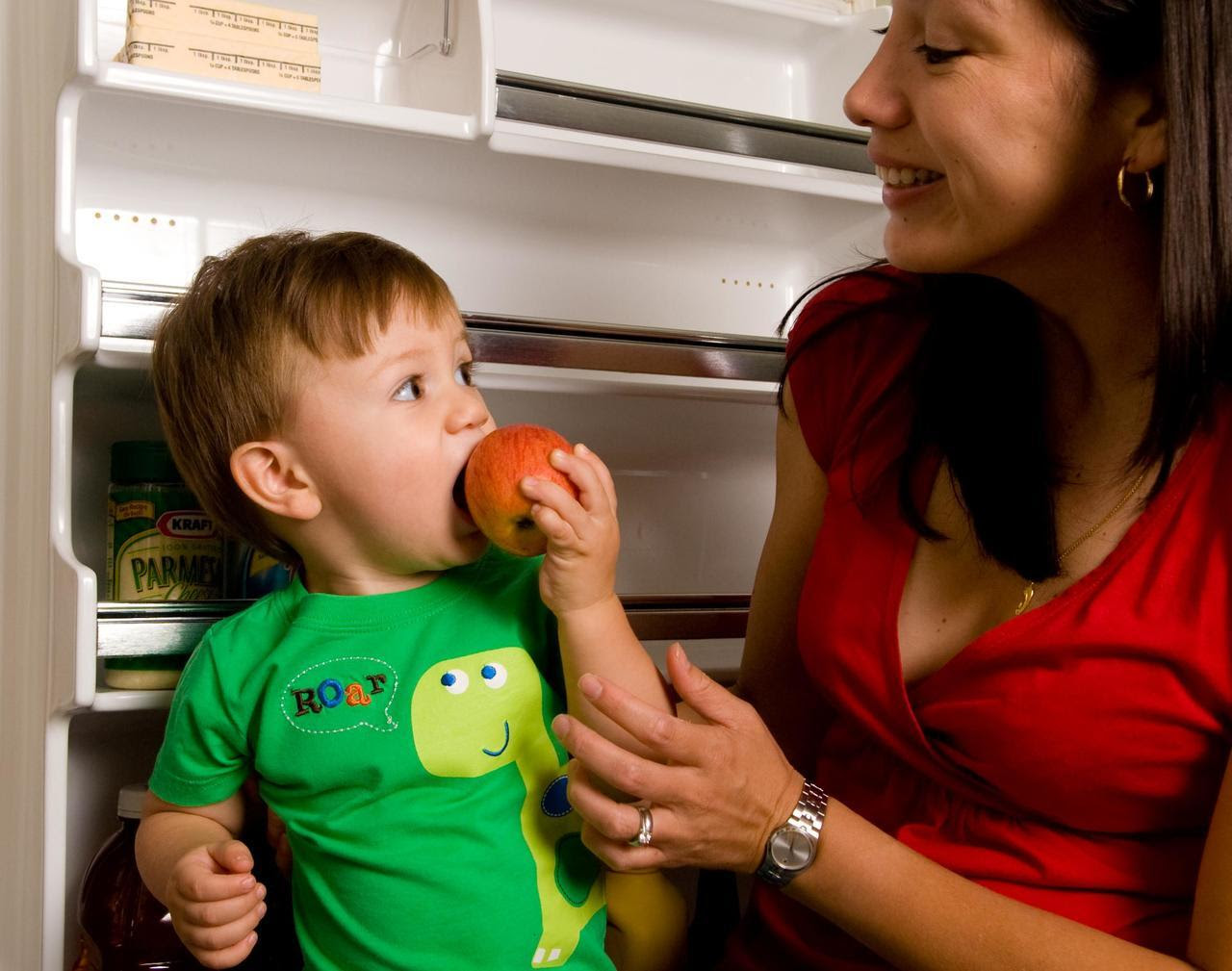
National Food Policy Conference
The Consumer Federation of America is holding its annual National Food Policy Conference in Washington, DC on March 11th and 12th. Agenda items include:
- The Next Administration's Food Policy Priorities
- Food and Trade Wars
- The Future of Food Chemical Regulation
- The Evolving Role of Dietitians
- Managing Zoonotic Disease Risk and many more.
Click here to register.
Recalls and Outbreaks
Job Opportunities
Postdoctoral Associate: George Washington University, Washington, DC. Dr. Hu is currently hiring a Postdoctoral Associate to join her Water, Health, Opportunity (WHO) Lab at George Washington University’s Milken Institute School of Public Health. The WHO Lab conducts cutting-edge, policy-relevant research on how drinking water and environmental factors impact population health and health disparities, using big data, geospatial analysis, and health informatics. This is an exciting opportunity for a motivated researcher with expertise in data science, environmental health, and exposure assessment to work on high-impact projects. Deadline: N/A
Community Resilience Fellow, CivicSpark, Hybrid or onsite, based in Washington, DC, Norfolk, VA, +13 other locations, Deadline: February 1, 2025
Environmental Health Specialist I/II - Food Safety, Clark County, Washington, Onsite, based in Vancouver, WA, Deadline: February 1, 2025
FERN - Fellowship for Exploring Research Nutrition, Undergraduate student
Food Growing Specialist, Capital Area Food Bank, Based in Washington, DC, Deadline: N/A
Intern - Food and Drug Administration, Federal Management Consulting, Guidehouse, In-person based in McLean, VA, Deadline: N/A
Postdoctoral Research Fellow - Nutrition & Food Studies, George Mason University Fairfax, VA, Deadline: N/A
Newsletter Ideas
Please submit newsletter items to [email protected].


- December 2024
WELCOME!
Dear Friend:
Happy Thanksgiving and Welcome to the George Washington University’s (GW) Institute for Food Safety and Nutrition Security (IFSAN) Monthly Newsletter! If you would like to continue to receive this newsletter, please sign up here.
IFSAN was initially established as the GW Food Policy Institute (FPI), with Kathleen Merrigan serving as its first director from 2014 to 2018. Under her leadership, FPI hosted impactful events such as the annual Food Tank Summit and Food Week celebrations. These events focused on important issues like nutrition, hunger, food waste, worker rights, sustainability, and food justice. Additionally, FPI launched the Food Policy Leadership Institute to develop leaders capable of applying their knowledge to real-world problems and influencing policy. Dr. Shelly Ver Ploeg also served as FPI’s director from 2020 to 2021.
In 2023, I joined the GW Milken Institute School of Public Health as faculty and was appointed as FPI’s new director. Over the past year, we have worked to realign the institute’s mission and vision, building on the strengths of GW and the work of the Center for Foodborne Illness Research and Prevention (CFI), which I co-founded in 2006. As part of this process, we refocused FPI’s efforts on food safety and nutrition security, which led to a name change to the Institute for Food Safety and Nutrition Security (IFSAN).
IFSAN’s mission is to protect public health and prevent illness by advancing food systems that deliver safe, accessible, and nutritious food to all. Our activities are centered around improving food safety and nutrition security through a One Health framework, with a focus on:
- Enhancing and expanding existing research and education programs.
- Creating a community of practice for faculty, staff, and students engaged in food safety, nutrition, and food security.
- Raising the visibility of our research through scholarly conferences, workshops, and web-based events in partnership with other stakeholders.
- Translating scientific findings into policies and practices that prevent foodborne illness and promote nutrition security.
- Engaging and partnering with alumni to expand our reach and impact.
- This is an unordered list
Catalyzing, fostering, and coordinating transdisciplinary collaborations to address food safety and nutrition security challenges.
With recent foodborne illness outbreaks—from applesauce to deli meats, onions, and baby carrots—and ongoing concerns about malnutrition, it is clear that our work has never been more important. We hope you will join us in ensuring consistent and equitable access to safe, nutritious food for all.
Best,
Barbara Kowalcyk

Fresh Perspectives on Advancing Food Safety and Nutrition Security
On Friday, November 15, IFSAN held its inaugural symposium, Fresh Perspectives on Advancing Food Safety and Nutrition Security, which was open to GW faculty, staff, and students as well as the general public. The event began with a discussion on future directions for food safety and nutrition security. This was followed by seven speed talks on topics that are key to increasing the production and consumption of safe fresh produce. The event ended with a dialogue with a panel of experts who commented on what they heard during the rapid-fire topics presentation and initial panel. Guests then participated in a networking lunch.
Click HERE for the full agenda and slides.
IFSAN in the News
Worried about McDonald's and Boar's Head Outbreaks? What Experts are Saying | AP News
Raw Milk: Is It Safe? 6 Dangers to Know
Experts Say the Food Supply is Safe Despite McDonald's and Boar's Head Outbreaks
Molds, Bugs Found at Va. Boar's Head Facility Tied to Listeria Outbreak.
Boar’s Head Shuts Down Virginia Plant Tied to Listeria Deaths
Washington Journal - Barbara Kowalcyk on the Federal Government's Role in Food Safety
Faculty Spotlight - Jordan Kuiper
Dr. Jordan Kuiper, Assistant Professor of Environnmental and Occupational Health (EOH), was recently interviewed to provide expert opinion for three different articles in Food & Wine magazine:
“Why You Shouldn’t Microwave Your Food in Plastic Containers, According to Toxicologists and an Epidemiologist” discusses the health implications of microwaving plastics. Kuiper recommends using microwavable alternatives to plastics, such as glass, given that recent studies have found plastic particles in human tissues where they "certainly do not belong," such as the brain, heart, and placenta, and that these particles are linked to a higher risk of serious health issues, including heart attacks and strokes.
"Arsenic Was Found in Nearly 10,000 Cases of Walmart Apple Juice — Here’s How to Keep Safe” discusses Walmart's recall of nearly 10,000 cases of Great Value brand apple juice due to elevated levels of inorganic arsenic, a toxic substance linked to cancer and other serious health issues. Kuiper explains that arsenic can get into apple juice during the production process and ties this to related health implications, saying "Increasing evidence from epidemiologic studies suggests that chronic or repeated exposure to even lower levels of arsenic can have an impact on human health, especially for children, who are the major consumers of fruit juices."“The EPA Has Taken Emergency Action to Stop the Use of a Herbicide That Can Cause 'Irreversible' Damage to Unborn Babies” discusses the recent emergency action implemented by the Environmental Protection Agency (EPA) to suspend the use of dimethyl tetrachloroterephthalate (DCPA), a weed killer that can cause serious harm to unborn babies. Kuiper comments on ways to avoid DCPA, saying, “Purchase produce that is labeled as ‘organic,’ even though organic produce may still not necessarily be pesticide-free,” and “It’s important for consumers to understand where their food comes from, where it’s grown, and whether it has been treated with any chemicals.”

Keep it Safe on November 28th!
It’s the most, wonderful time of the year- Thanksgiving!! A day when friends and family gather together, and all the favorite foods are prepared at once. It is a feast!!
Getting all that food ready for consumption is an exercise in organization, timing, and patience, and it isn’t the time to set aside important food safety practices. Remember Clean, Cook, Chill, and Separate.
CLEAN
Handwashing is THE BEST way to prevent the spread of bacteria and viruses that can make your guests ill. Wash hands frequently, especially between handling raw meat and poultry and ready-to-eat foods, such as green leafy vegetables, and cold salads.
The five steps to good handwashing are:
Wet your hands with clean, running water (warm or cold), turn off the tap, and apply soap
Lather your hands by rubbing them together with the soap. Be sure to lather the backs of your hands, between your fingers, and under your nails.
Scrub your hands for at least 20 seconds.
Rinse your hands well under clean, running water.
Dry your hands using a clean towel.
Wash your countertops and sink with clean water after handling raw poultry and meat products.
Use clean cutting boards and knives for all fresh produce that will be eaten raw.
COOK
Poultry should be cooked to a final cooking temperature of at least 165F. If the bird has been stuffed, always take the temperature of the stuffing: it too should be at least 165F or above.
Be sure your casseroles also are cooked to hot, bubbly and 165F.
CHILL
If you are preparing a turkey, remember to defrost it in the refrigerator, not on the kitchen counter. Put a date on your calendar at least 3 days before you are going to cook the bird reminding you to remove your frozen turkey from the freezer and place it in the refrigerator
Once the meal is over, be sure to get the leftovers in the refrigerator within two hours from the time it was put out for consumption.
SEPARATE
Keep raw meat and raw vegetables away from each other.
For more information check out Don't Forget Your Thanksgiving Food Safety Steps | FoodSafety.gov

IFSAN Team Member - Caitlin Brooks-Favorite Recipe
Salted Caramel Apple Pie Bars
Prep Time: 25 minutes
Cook Time: 45 minutes
Total Time: 3 hours, 20 minutes
Yield:12-16 bars
Ingredients
Shortbread Crust
1/2 cup (8 Tbsp; 113g) unsalted butter, melted
1/4 cup (50g) granulated sugar
1 teaspoon pure vanilla extract
1/4 teaspoon salt
1 cup (125g) all-purpose flourApple Filling
2 large apples, peeled and thinly sliced (1/4 inch thick)*
2 Tablespoons All-purpose flour
2 Tablespoons Granulated sugar
1 teaspoon ground cinnamon
1/8 teaspoon ground nutmeg
Streusel
1/2 cup (43g) old-fashioned whole rolled oats
1/3 cup (70g) packed light or dark brown sugar
1/4 teaspoon ground cinnamon
1/4 cup (31g) all-purpose flour
1/4 cup (4 Tbsp; 56g) unsalted butter, cold and cubed
homemade salted caramel or store-bought caramel sauce
Instructions
Preheat the oven to 300°F (149°C). Line the bottom and sides of an 8-inch square baking pan with parchment paper leaving enough overhang on all sides. Set aside.Make the crust: Stir the melted butter, granulated sugar, vanilla, and salt together in a medium bowl. Add the flour and stir until everything is combined. Press the mixture evenly into the prepared baking pan. Bake for 15 minutes and then remove from the oven. (As the crust bakes, you can prepare the filling and streusel.)
Make the apple filling: Combine the sliced apples, flour, granulated sugar, cinnamon, and nutmeg together in a large bowl until all of the apples are evenly coated. Set aside.
Make the streusel: Whisk the oats, brown sugar, cinnamon, and flour together in a medium bowl. Cut in the chilled butter with a pastry blender or two forks (or even with your hands) until the mixture resembles coarse crumbs. Set aside.
Turn the oven up to 350°F (177°C). Evenly layer the apples on top of the warm crust. It will look like there are too many apple slices, so layer them tightly and press them down to fit. Sprinkle the apple layer with streusel and bake for 30–35 minutes or until the streusel is golden brown.
Remove from the oven and allow to cool for at least 20 minutes at room temperature, then chill in the refrigerator for at least 2 hours (or overnight). Lift the foil or parchment out of the pan using the overhang on the sides and cut into bars. I usually cut them into 16 smaller bars, but you can cut them into 12 larger bars. Once cut, drizzle some salted caramel sauce on top of each. These apple pie bars can be enjoyed warm, at room temperature, or even cold.
Find it online: https://sallysbakingaddiction.com/salted-caramel-apple-pie- bars/ Job Opportunities
2024 Regulatory Health Project Manager, Food and Drug Administration - Hybrid, based in Silver Spring, MD, Deadline December 1, 2024
EPA Fellowship on Scientific/Environmental Data Science, Management and Statistics, U.S. Environmental Protection Agency, Cincinnati, OH, Deadline: December 6, 2024
EPA Postdoctoral Research Opportunity in Environmental Health and Nutritional Science, U.S. Environmental Protection Agency, Chapel Hill, North Carolina, Deadline: February 14, 2025
Associate, Government Affairs (Food & Agriculture), FGS Global, Washington, DC, Deadline: N/A
Internship - Research & Development Food Scientist, General Mills, Golden Valley, MN, Deadline: N/A
Public Health & Food Access Specialist, National Health Corps, York, PA, Deadline: N/A
Newsletter Ideas
If you have ideas you would like to see in the newsletter, please submit them to: [email protected]

